Ideographic Modernism: China, Writing, Media
0
0
As an Amazon Associate and affiliate partner, Menrva Books earns from qualifying purchases. Learn more
Author Description
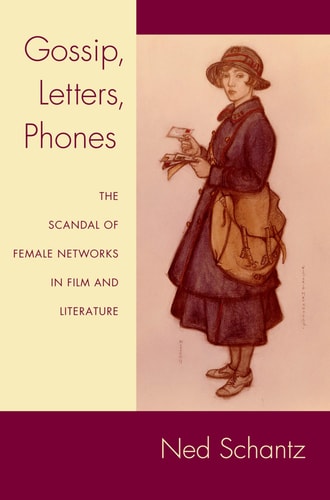
Although female communication networks abound in many contexts and have received a good measure of critical scrutiny, no study has addressed their unique significance within narrative culture writ large. Filling this conspicuous gap, Ned Schantz presents a lively exploration of the phenomenon, resituating novelistic culture as central even as he ranges across media and the myriad technologies that attend them.Charting the emergence of female networks via the most prominent modes of communication--gossip, letters, and phones--Schantz brings his study to life with unconventional interpretations of classic British novels and popular Hollywood films spanning multiple genres and time periods. With incisive readings of Clarissa, Emma, and Evelina, Schantz shows how gossip both draws sympathy and is repressed by dominant male culture in a recurrent pattern of avowal and disavowal. The epistolary novel added a rhythm to communication that was generative of fantasy, which in turn informed "telephonic film," a development depicted in analyses of movies such as Sorry, Wrong Number; Vertigo; Terminator; and You've Got Mail. Schantz highlights the way the telephone works as a structuring device, not merely a prop, one that shapes the plot and suggests provocative formal implications.While this study traverses an uncanny realm of lost messages and false suitors, telepathy and artificial intelligence, locked rooms and time-traveling stalkers, these occult concerns only confirm the importance of female communication at its most basic level. Illuminating and accessible--Gossip, Letters, Phones reveals female networks as one of narrative's most supple and persistent elements in literature and cinema.
Menrva's Summary
THE THESIS
This study investigates the historical and structural significance of female communication networks within narrative culture, specifically examining how these networks function across literature and film. Christopher Bush, an academic specializing in comparative literature and media, utilizes a framework that connects traditional literary forms with modern technological media. By analyzing the evolution of communication from gossip and letters to telephonic interaction, the author argues that these networks are not peripheral but central to the development of narrative structure and cultural expression.
THE SCOPE MAP
What You Will Find
- Analysis of communication modes including gossip, epistolary correspondence, and telephonic interaction.
- Comparative readings of 18th and 19th-century British novels alongside 20th-century Hollywood cinema.
- Examination of how communication technologies function as structural devices rather than mere plot props.
- Theoretical exploration of the intersection between gender, narrative agency, and media technology.
THE AUTHORITY PERSPECTIVE
Scholars in the fields of media studies and literary theory identify this work as a significant contribution to understanding the intersection of gendered communication and narrative form. Readers frequently note the academic density of the prose, which provides a rigorous framework for analyzing how technological shifts influence storytelling conventions across different historical periods.
Page Count:
204
Publication Date:
2012-08-07
Publisher:
Oxford University Press
ISBN-10:
0199896291
ISBN-13:
9780199896295
Kindle eBooks
In literature
English fiction
Literary Criticism
Reference
Communication Studies
Criticism & Theory
Words Language & Grammar
Categories
Film Theory
Linguistics
Media Studies
Kindle Store
Community Tags
Similar Books