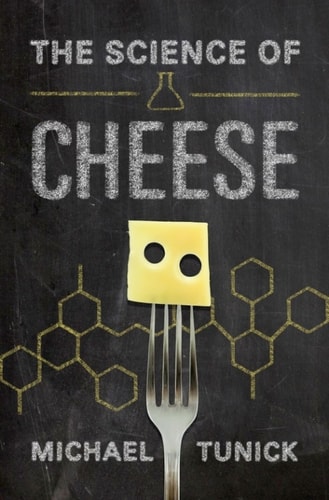
The Science of Cheese
0
0
As an Amazon Associate and affiliate partner, Menrva Books earns from qualifying purchases. Learn more
Author Description
In an engaging tour of the science and history of cheese, Michael Tunick explores the art of cheese making, the science that lies underneath the deliciousness, and the history behind how humanity came up with one of its most varied and versatile of foods.Dr. Tunick spends his everyday deep within the halls of the science of cheese, as a researcher who creates new dairy products, primarily, cheeses. He takes us from the very beginning, some 8000 years ago in the Fertile Crescent, and shows us the accidental discovery of cheese when milk separated into curds and whey. This stroke of luck would lead to a very mild, and something akin to cottage, cheese-deemed delicious enough by our traveling cheese maker that he or she did it again another day.Today we know of more than 2,000 varieties of cheese from Gorgonzola, first noted in year 879, to Roquefort in 1070 to Cheddar in 1500. But Tunick delves deeper into the subject to provide a wide-ranging overview that begins with cows and milk and then covers the technical science behind creating a new cheese, milk allergies and lactose intolerance, nutrition and why cheese is a vital part of a balanced diet. The Science of Cheese is an entertaining journey through one of America's favorite foods.
Menrva's Summary
THE THESIS
What are the chemical, biological, and historical foundations that allow for the production and consumption of cheese? Michael H. Tunick, a researcher specializing in dairy product development, utilizes his professional expertise to bridge the gap between culinary tradition and food science. He presents a comprehensive framework that connects the ancient origins of cheesemaking with modern nutritional science and industrial production techniques.
THE SCOPE MAP
What You Will Find
- Historical timeline of cheesemaking starting from the Fertile Crescent 8,000 years ago
- Technical analysis of milk chemistry and the coagulation process
- Nutritional evaluation of cheese, including discussions on lactose intolerance and dietary balance
- Overview of the diversity of global cheese varieties and their development
THE AUTHORITY PERSPECTIVE
Experts and readers recognize this text as a highly accessible synthesis of food chemistry and historical context. The prose is noted for its ability to translate complex dairy science into clear, informative explanations suitable for both culinary enthusiasts and students of food science.
Page Count:
281
Publication Date:
2013-01-01
Publisher:
Oxford University Press
ISBN-10:
0199922314
ISBN-13:
9780199922314
History
Science
Cooking
Food
Dairying
Physical Chemistry
Nutrition
Earth Sciences
Community Tags
Similar Books