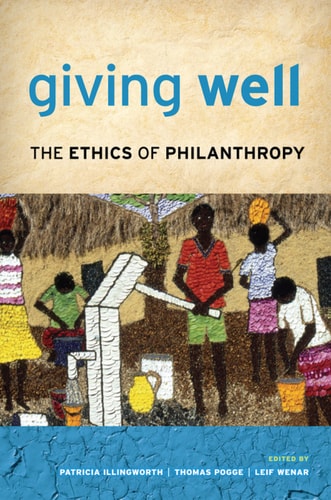
Giving Well: The Ethics of Philanthropy
0
0
As an Amazon Associate and affiliate partner, Menrva Books earns from qualifying purchases. Learn more
Author Description
So long as large segments of humanity are suffering chronic poverty and are dying from treatable diseases, organized giving can save or enhance millions of lives. With the law providing little guidance, ethics has a crucial role to play in ensuring that the philanthropic practices of individuals, foundations, NGOs, governments, and international agencies are morally sound and effective. In Giving Well: The Ethics of Philanthropy, an accomplished trio of editors bring together an international group of distinguished philosophers, social scientists, lawyers and practitioners to identify and address the most urgent moral questions arising today in the practice of philanthropy. The topics discussed include the psychology of giving, the reasons for and against a duty to give, the accountability of NGOs and foundations, the questionable marketing practices of some NGOs, the moral priorities that should inform NGO decisions about how to target and design their projects, the good and bad effects of aid, and the charitable tax deduction along with the water's edge policy now limiting its reach. This ground-breaking volume can help bring our practice of charity closer to meeting the vital needs of the millions worldwide who depend on voluntary contributions for their very lives.
Menrva's Summary
THE THESIS
This volume investigates the moral obligations and practical challenges inherent in global philanthropy, questioning how individuals and institutions can effectively address systemic poverty and disease. The editors, Patricia M. L. Illingworth, Leif Wenar, and Thomas W. Pogge, curate a collection of essays from philosophers, social scientists, and legal experts. The text establishes a framework for evaluating the accountability, efficacy, and ethical priorities of charitable organizations and government aid programs.
THE SCOPE MAP
What You Will Find
- Analysis of the psychological motivations behind charitable giving
- Ethical arguments regarding the duty to provide aid
- Evaluations of NGO accountability and marketing practices
- Discussions on the impact of charitable tax deductions and international policy
Scope Limits
- The text does not provide a manual for individual financial planning or tax preparation
- It does not offer a comprehensive history of global humanitarian aid organizations
THE AUTHORITY PERSPECTIVE
Experts identify this collection as a significant contribution to the field of applied ethics, noting its utility for both academics and practitioners. Readers frequently highlight the rigorous interdisciplinary approach, which balances philosophical theory with the practical realities of international development.
Page Count:
316
Publication Date:
2011-01-01
Publisher:
Oxford University Press
ISBN-10:
0190207825
ISBN-13:
9780190207823
Economics
Philosophy
Sociology
Ethics
Philanthropy
Business Ethics