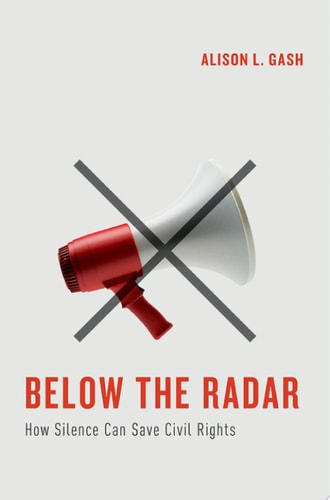
Below the Radar
0
0
As an Amazon Associate and affiliate partner, Menrva Books earns from qualifying purchases. Learn more
Author Description
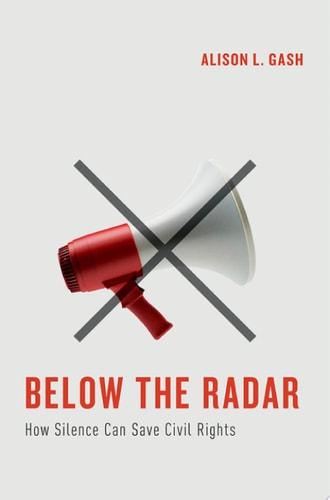
In 1993, The Nation Exploded Into Anti-same Sex Marriage Fervor When The Hawaii Supreme Court Issued Its Decision To Support Marriage Equality For Gay And Lesbian Couples. Opponents Feared That All Children, But Especially Those Raised By Lesbian Or Gay Couples, Would Be Harmed By The Possibility Of Same-sex Marriage, And Warned Of The Consequences For Society At Large. Congress Swiftly Enacted The Defense Of Marriage Act, Defining Marriage As Between A Man And A Woman, And Many States Followed Suit. Almost A Decade Before The Hawaii Court Issued Its Decision, However, Several Courts In Multiple States Had Granted Gay And Lesbian Couples Co-parenting Status, Permitting Each Individual In The Couple To Be Legally Recognized As Joint Parents Over Their Children. By 2006, Advocates In Half The States Had Secured Court Decisions Supporting Gay And Lesbian Co-parenting, And Incurred Far Fewer Public Reprisals Than On The Marriage Front. What Accounts For The Stark Difference In Reactions To Two Contemporaneous Same-sex Family Policy Fights? In Below The Radar, Alison Gash Argues That Advocacy Visibility Has Played A Significant Role In Determining Whether Advocacy Efforts Become Mired In Conflict Or Bypass Hostile Backlash Politics. Same-sex Parenting Advocates Are Not Alone In Crafting Low-visibility Advocacy Strategies To Ward Off Opposition Efforts. Those Who Operate, Reside In, And Advocate For Group Homes Serving Individuals With Disabilities Have Also Used Below-the-radar Strategies To Diminish The Damage Cause By Nimby (not In My Back Yard) Responses To Their Requests To Move Into Single-family Neighborhoods. Property Owners Have Resorted To Slander, Subterfuge, Or Even Arson To Discourage Group Homes From Locating In Their Neighborhoods, And For Some Advocates, Secrecy Provides The Best Elixir. Not Every Fight For Civil Rights Grabs Headlines, But Sometimes, This Is By Design.
Menrva's Summary
THE THESIS
This book investigates why certain advocacy efforts for civil rights trigger intense public backlash while others succeed by operating with minimal visibility. Alison L. Gash, a political scientist, examines the strategic choices made by activists in the realms of same-sex co-parenting rights and the placement of group homes for individuals with disabilities. She argues that by intentionally avoiding the public spotlight, advocates can bypass the mobilization of hostile opposition and achieve policy goals that might otherwise be blocked by political or social resistance.
THE SCOPE MAP
What You Will Find
- Comparative analysis of same-sex co-parenting legal strategies versus marriage equality campaigns.
- Examination of NIMBY (Not In My Back Yard) responses to group homes for individuals with disabilities.
- Theoretical framework regarding the relationship between advocacy visibility and political backlash.
Scope Limits
- The analysis does not cover international advocacy strategies outside of the United States.
- The text does not provide a comprehensive history of the entire LGBTQ rights movement, focusing specifically on the co-parenting subset.
THE AUTHORITY PERSPECTIVE
Scholars and political analysts frequently cite this work for its clear articulation of the 'low-visibility' advocacy model. Readers often note that the prose is accessible yet maintains the academic rigor required for graduate-level study in public policy.
Page Count:
224
Publication Date:
2015-01-01
Publisher:
Oxford University Press
ISBN-10:
0190201169
ISBN-13:
9780190201166
Public Policy
Sociology
LGBTQ Studies
Civil Rights
Community Tags
Similar Books