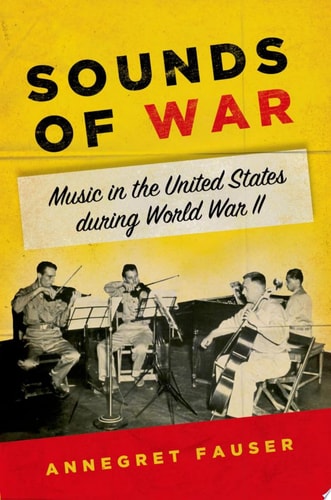
Sounds of War: Music in the United States During World War II
0
0
As an Amazon Associate and affiliate partner, Menrva Books earns from qualifying purchases. Learn more
Author Description
What Role Did Music Play In The United States During World War Ii? How Did Composers Reconcile The Demands Of Their Country And Their Art As America Mobilized Both Militarily And Culturally For War? Annegret Fauser Explores These And Many Other Questions In The First In-depth Study Of American Concert Music During World War Ii. While Dinah Shore, Duke Ellington, And The Andrew Sisters Entertained Civilians At Home And G.i.s Abroad With Swing And Boogie-woogie, Fauser Shows It Was Classical Music That Truly Distinguished Musical Life In The Wartime United States. Classical Music In 1940s America Had A Ubiquitous Cultural Presence--whether As An Instrument Of Propaganda Or A Means Of Entertainment, Recuperation, And Uplift--that Is Hard To Imagine Today, And Fauser Suggests That No Other War Enlisted Culture In General And Music In Particular So Consciously And Unequivocally As World War Ii. Indeed, The Day After The Attack On Pearl Harbor, Group Theatre Director Harold Clurman Wrote To His Cousin, Aaron Copland: So You're Back In N.y... Ready To Defend Your Country In Her Hour Of Need With Lectures, Books, Symphonies! Copland Was In Fact Involved In Propaganda Missions Of The Office Of War Information, As Were Marc Blitzstein, Elliott Carter, Henry Cowell, Roy Harris, And Colin Mcphee. It Is The Works Of These Musical Greats--as Well As Many Other American And Exiled European Composers Who Put Their Talents To Patriotic Purposes--that Form The Core Of Fauser's Enlightening Account. Drawing On Music History, Aesthetics, Reception History, And Cultural History, Sounds Of War Recreates The Remarkable Sonic Landscape Of The World War Ii Era And Offers Fresh Insight To The Role Of Music During Wartime.
Menrva's Summary
THE THESIS
This book investigates how classical music functioned as a vital instrument of propaganda, entertainment, and cultural mobilization within the United States during the Second World War. Annegret Fauser, a professor of music, utilizes a multidisciplinary approach combining musicology, aesthetics, and cultural history to examine the intersection of artistic production and national duty. She argues that the American government and the public consciously enlisted classical music to support the war effort, creating a unique sonic landscape that defined the era's cultural identity.
THE SCOPE MAP
What You Will Find
- Analysis of the role of classical composers like Aaron Copland, Marc Blitzstein, and Elliott Carter in government-sponsored propaganda missions.
- Examination of the cultural presence of classical music in 1940s America as a tool for recuperation and national uplift.
- Comparative study of how classical music coexisted with popular genres like swing and boogie-woogie in the wartime United States.
- Synthesis of primary source materials including correspondence, historical records, and reception history to document the era's musical life.
THE AUTHORITY PERSPECTIVE
Scholars and music historians recognize this work as a foundational study that fills a significant gap in the understanding of American wartime culture. Readers frequently note the academic rigor and the depth of archival research presented throughout the text.
Page Count:
384
Publication Date:
2013-01-01
Publisher:
Oxford University Press, Incorporated
ISBN-10:
0199948046
ISBN-13:
9780199948048
History
Music
Humanities
Cultural History
Music
Music History
American History
Music and state
Music american
Community Tags
Similar Books














