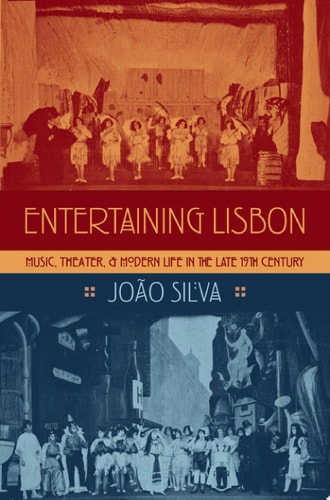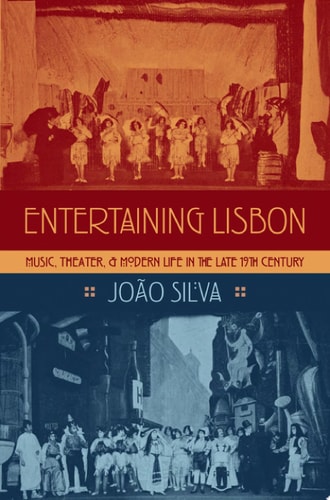
Entertaining Lisbon
0
0
As an Amazon Associate and affiliate partner, Menrva Books earns from qualifying purchases. Learn more
Author Description
During The Decades Leading Up To 1910, Portugal Saw Vast Material Improvements Under The Guise Of Modernization While In The Midst Of A Significant Political Transformation - The Establishment Of The Portuguese First Republic. Urban Planning, Everyday Life, And Innovation Merged In A Rapidly Changing Lisbon. Leisure Activities For The Citizens Of The First Republic Began To Include New Forms Of Musical Theater, Including Operetta And The Revue Theater. These Theatrical Forms Became An Important Site For The Display Of Modernity, And The Representation Of A New National Identity. Author João Silva Argues That The Rise Of These Genres Is Inextricably Bound To The Complex Process Through Which The Idea Of Portugal Was Presented, Naturalized, And Commodified As A Modern Nation-state. Entertaining Lisbon Studies Popular Entertainment In Portugal And Its Connections With Modern Life And Nation-building, Showing That The Promotion Of The Nation Through Entertainment Permeated The Market For Cultural Goods. Exploring The Portuguese Entertainment Market As A Reflection Of Ongoing Negotiations Between Local, National, And Transnational Influences On Identity, Silva Intertwines Representations Of Gender, Class, Ethnicity, And Technology With Theatrical Repertoires, Street Sounds, And Domestic Music Making. An Essential Work On Portuguese Music In The English Language, Entertaining Lisbon Is A Critical Study For Scholars And Students Of Musicology Interested In Portugal, And Popular And Theatrical Musics, As Well As Historical Ethnomusicologists, Cultural Historians, And Urban Planning Researchers Interested In The Development Of Material Culture.
Menrva's Summary
THE THESIS
This work investigates how the rise of popular musical theater in Lisbon during the early 20th century served as a mechanism for constructing and commodifying a modern Portuguese national identity. Author João Paulo Silva utilizes historical analysis to demonstrate that the evolution of operetta and revue theater was not merely recreational, but a deliberate negotiation of local, national, and transnational influences during the transition to the Portuguese First Republic. By examining the intersection of theatrical repertoires, urban development, and domestic music, the text argues that entertainment became a primary vehicle for defining the nation-state.
THE SCOPE MAP
What You Will Find
- Analysis of the Portuguese entertainment market between the late 19th century and 1910.
- Examination of operetta and revue theater as sites of cultural display.
- Integration of gender, class, and technology studies within musical performance.
- Exploration of street sounds and domestic music making as markers of modernity.
Scope Limits
- The study focuses primarily on the Lisbon urban environment rather than rural Portuguese traditions.
- The analysis is bounded by the political transition to the First Republic and does not extend deep into the later 20th century.
THE AUTHORITY PERSPECTIVE
Scholars identify this text as a significant contribution to the study of Portuguese music and cultural history within the English language. Experts highlight the author's ability to synthesize complex socio-political shifts with the specific evolution of theatrical performance.
Page Count:
320
Publication Date:
2016-01-01
Publisher:
Oxford University Press
ISBN-10:
0190215712
ISBN-13:
9780190215712
History
Musicology
urban planning
Portugal
Community Tags
Similar Books