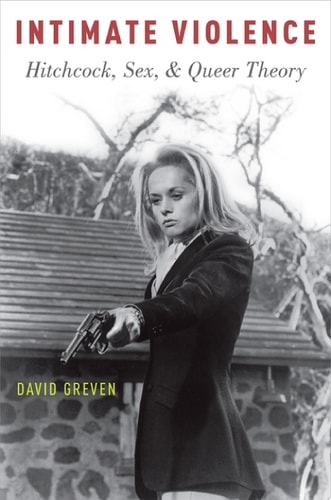
Intimate Violence
0
0
As an Amazon Associate and affiliate partner, Menrva Books earns from qualifying purchases. Learn more
Author Description
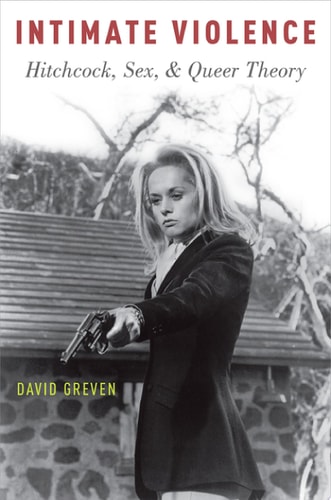
Intimate Violence Explores The Consistent Cold War In Hitchcock's Films Between His Heterosexual Heroines And His Queer Characters, Usually Though Not Always Male. Decentering The Authority Of The Male Hero, Hitchcock's Films Allow His Female And Queer Characters To Vie For Narrative Power, Often In Conflict With One Another. These Conflicts Eerily Echo The Tense Standoff Between Feminism And Queer Theory. From A Reparative Psychoanalytic Perspective, David Greven Merges Queer And Feminist Approaches To Hitchcock. Using The Theories Of Melanie Klein, Greven Argues That Hitchcock's Work Thematizes A Constant Battle Between Desires To Injure And To Repair The Loved Object. Greven Develops A Theory Of Sexual Hegemony. The Feminine Versus The Queer Conflict, As He Calls It, In Hitchcock Films Illuminates The Shared But Rivalrous Struggles For Autonomy And Visibility On The Part Of Female And Queer Subjects. The Heroine Is Vulnerable To Misogyny, But She Often Gains An Access To Agency That The Queer Subject Longs For, Mistaking Her Partial Autonomy For Social Power. Hitchcock's Queer Personae, However, Wield A Seductive Power Over His Heterosexual Subjects, Having Access To Illusion And Masquerade That The Knowledge-seeking Heroine Must Destroy. Freud's Theory Of Paranoia, Understood As A Tool For The Dissection Of Cultural Homophobia, Illuminates The Feminine Versus The Queer Conflict, The Female Subject Position, And The Consistent Forms Of Homoerotic Antagonism In The Hitchcock Film. Through Close Readings Of Such Key Hitchcock Works As North By Northwest, Psycho, Strangers On A Train, Spellbound, Rope, Marnie, And The Birds, Greven Explores The Ongoing Conflicts Between The Heroine And Queer Subjects And The Simultaneous Allure And Horror Of Same-sex Relationships In The Director's Films.
Menrva's Summary
THE THESIS
This book investigates the persistent conflict between heterosexual heroines and queer characters in the films of Alfred Hitchcock to reveal a deeper struggle for narrative power and autonomy. David Greven, a scholar of film and literature, utilizes a reparative psychoanalytic framework rooted in the theories of Melanie Klein and Sigmund Freud. By synthesizing queer theory and feminist criticism, Greven argues that these cinematic tensions reflect a broader cultural battle between the desire to injure and the desire to repair the loved object, ultimately establishing a theory of sexual hegemony within Hitchcock's body of work.
THE SCOPE MAP
What You Will Find
- A psychoanalytic analysis of the 'feminine versus queer' conflict in Hitchcock's filmography.
- Application of Kleinian object relations theory to cinematic character dynamics.
- Close readings of major films including North by Northwest, Psycho, Strangers on a Train, Spellbound, Rope, Marnie, and The Birds.
- A theoretical framework for understanding paranoia as a tool for dissecting cultural homophobia.
Scope Limits
- The analysis focuses primarily on the intersection of gender and queer identity rather than the technical or aesthetic history of Hitchcock's cinematography.
- The study does not provide an exhaustive biography of the director, focusing instead on the thematic content of the films themselves.
THE AUTHORITY PERSPECTIVE
Scholars and film critics recognize this work as a significant contribution to the intersection of psychoanalytic film theory and gender studies. Readers frequently note the academic density of the prose, which requires a foundational understanding of both Kleinian theory and Hitchcockian film history to fully engage with the author's arguments.
Page Count:
320
Publication Date:
2017-01-01
Publisher:
Oxford University Press
ISBN-10:
019021418X
ISBN-13:
9780190214180
Psychoanalysis
Queer Theory
Film Studies
Cinema History
Alfred Hitchcock
Feminist Theory
Community Tags
Similar Books