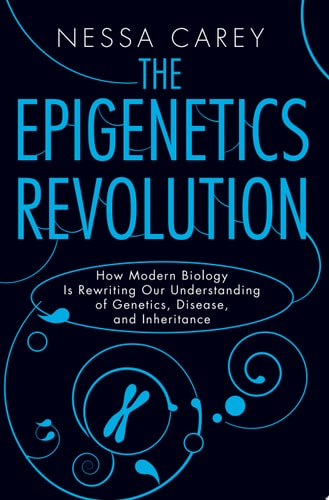
The Epigenetics Revolution: How Modern Biology Is Rewriting Our Understanding of Genetics, Disease, and Inheritance
0
0
As an Amazon Associate and affiliate partner, Menrva Books earns from qualifying purchases. Learn more
Author Description
Epigenetics can potentially revolutionize our understanding of the structure and behavior of biological life on Earth. It explains why mapping an organism’s genetic code is not enough to determine how it develops or acts and shows how nurture combines with nature to engineer biological diversity. Surveying the twenty-year history of the field while also highlighting its latest findings and innovations, this volume provides a readily understandable introduction to the foundations of epigenetics. Nessa Carey, a leading epigenetics researcher, connects the field’s arguments to such diverse phenomena as how ants and queen bees control their colonies; why tortoiseshell cats are always female; why some plants need cold weather before they can flower; and how our bodies age and develop disease. Reaching beyond biology, epigenetics now informs work on drug addiction, the long-term effects of famine, and the physical and psychological consequences of childhood trauma. Carey concludes with a discussion of the future directions for this research and its ability to improve human health and well-being.
Menrva's Summary
THE THESIS
The Epigenetics Revolution challenges the traditional view of genetics by revealing how environmental factors and lifestyle choices can alter gene expression without changing the underlying DNA sequence. This field of study explains the complex interplay between nature and nurture, demonstrating how external influences can shape an organism's development, behavior, and even inheritance. The book traces the history of epigenetics, highlights its most significant discoveries, and explores its implications across a wide range of biological phenomena and human conditions.
THE SCOPE MAP
- What is epigenetics and how it differs from traditional genetics
- The role of epigenetics in development and biological diversity
- Case studies: ant colony control, tortoiseshell cat genetics, plant flowering
- Epigenetic influences on aging, disease, drug addiction, and trauma
- The impact of famine and childhood trauma on inherited traits
- Future directions and potential applications of epigenetics in human health
THE AUTHORITY PERSPECTIVE
Nessa Carey's 'The Epigenetics Revolution' is recognized for its accessible introduction to a complex scientific field. The book is praised for its ability to connect cutting-edge epigenetic research to observable phenomena and everyday human experiences. Readers and critics alike have noted its clear explanations of how environmental factors can influence gene expression, offering a nuanced perspective on inheritance and disease. The work is considered a valuable resource for understanding the dynamic relationship between our genes and our environment.
Page Count:
352
Publication Date:
2013-10-01
Publisher:
Columbia University Press
ISBN-10:
0231161174
ISBN-13:
9780231161176
Science
Non-Fiction
Disease
Genetics
Biology
Epigenetics
Community Tags
Similar Books