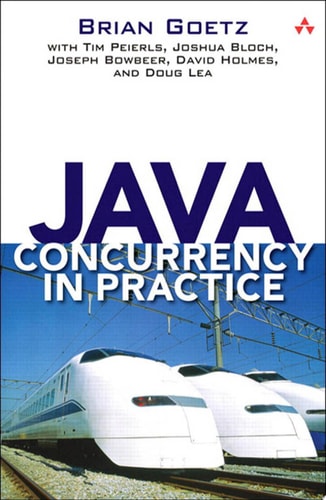
Java Concurrency in Practice
0
0
As an Amazon Associate and affiliate partner, Menrva Books earns from qualifying purchases. Learn more
Author Description
Threads are a fundamental part of the Java platform. As multicore processors become the norm, using concurrency effectively becomes essential for building high-performance applications. Java SE 5 and 6 are a huge step forward for the development of concurrent applications, with improvements to the Java Virtual Machine to support high-performance, highly scalable concurrent classes and a rich set of new concurrency building blocks. In Java Concurrency in Practice, the creators of these new facilities explain not only how they work and how to use them, but also the motivation and design patterns behind them. However, developing, testing, and debugging multithreaded programs can still be very difficult; it is all too easy to create concurrent programs that appear to work, but fail when it matters most: in production, under heavy load. Java Concurrency in Practice arms readers with both the theoretical underpinnings and concrete techniques for building reliable, scalable, maintainable concurrent applications. Rather than simply offering an inventory of concurrency APIs and mechanisms, it provides design rules, patterns, and mental models that make it easier to build concurrent programs that are both correct and performant. This book covers: Basic concepts of concurrency and thread safety Techniques for building and composing thread-safe classes Using the concurrency building blocks in java.util.concurrent Performance optimization dos and don'ts Testing concurrent programs Advanced topics such as atomic variables, nonblocking algorithms, and the Java Memory Model
Menrva's Summary
THE THESIS
The fundamental challenge of building high-performance applications on modern multicore processors lies in effectively managing concurrency. This book, authored by the creators of Java's concurrency facilities, addresses this challenge by providing both the theoretical underpinnings and practical techniques for developing reliable, scalable, and maintainable concurrent applications. It moves beyond a mere API inventory to offer design rules, patterns, and mental models essential for correctness and performance. The authors equip readers to navigate the complexities of multithreaded programming, which are notoriously difficult to test and debug, often failing under production load.
THE SCOPE MAP
- Core concepts of concurrency and thread safety in Java.
- Techniques for constructing and combining thread-safe classes.
- Practical application of the `java.util.concurrent` package.
- Strategies for performance optimization, including common pitfalls.
- Methods and best practices for testing concurrent programs.
- In-depth coverage of advanced topics such as atomic variables, non-blocking algorithms, and the Java Memory Model.
THE AUTHORITY PERSPECTIVE
This seminal work is widely regarded as the definitive guide to Java concurrency, praised for its depth, clarity, and practical applicability. Experts and developers alike commend the authors for demystifying complex topics and providing actionable strategies for building robust concurrent systems. The book's focus on design patterns and underlying principles, rather than just API usage, ensures its lasting relevance. It is consistently recommended for anyone serious about writing efficient and reliable multithreaded Java applications.
Page Count:
384
Publication Date:
2006-05-09
Publisher:
Pearson Technology Group
ISBN-10:
0132702258
ISBN-13:
9780132702256
Science & Technology
Non-Fiction
Software Engineering
Computer Science
Programming
Community Tags
Similar Books