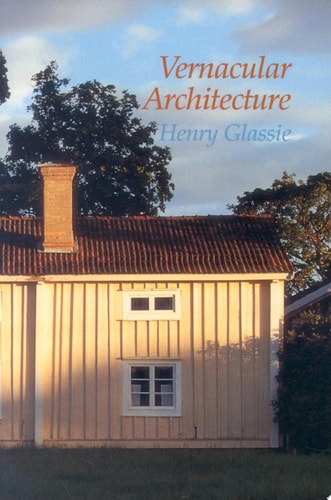
Vernacular Architecture
0
0
As an Amazon Associate and affiliate partner, Menrva Books earns from qualifying purchases. Learn more
Author Description
Based on thirty-five years of fieldwork, Glassie's Vernacular Architecture synthesizes a career of concern with traditional building. He articulates the key principles of architectural analysis, and then, centering his argument in the United States, but drawing comparative examples from many locations in Europe and Asia, he shows how architecture can be a prime resource for the one who would write a democratic and comprehensive history.
Menrva's Summary
THE THESIS
This book investigates how vernacular architecture serves as a vital resource for understanding democratic and comprehensive history. Henry Glassie, drawing on thirty-five years of fieldwork, synthesizes his career-long engagement with traditional building practices. The work articulates fundamental principles for architectural analysis. While centering its argument in the United States, the book incorporates comparative examples from diverse locations across Europe and Asia to demonstrate architecture's potential as a historical source.
THE SCOPE MAP
- Key principles of architectural analysis
- Case studies of vernacular architecture in the United States
- Comparative examples from Europe and Asia
- Architecture as a resource for democratic and comprehensive history
THE AUTHORITY PERSPECTIVE
Henry Glassie's 'Vernacular Architecture' is recognized for its synthesis of extensive fieldwork and theoretical insights into traditional building. The book is valued for its methodological approach, offering readers tools to analyze architectural forms and their historical significance. Its comparative scope, bridging American and European/Asian examples, allows for a broad understanding of how built environments reflect societal structures. The work is considered a significant contribution to the study of architectural history and cultural studies.
Page Count:
200
Publication Date:
2000-12-22
Publisher:
Indiana University Press
ISBN-10:
0253023629
ISBN-13:
9780253023629
Non-Fiction
History
Architecture
Community Tags
Similar Books














