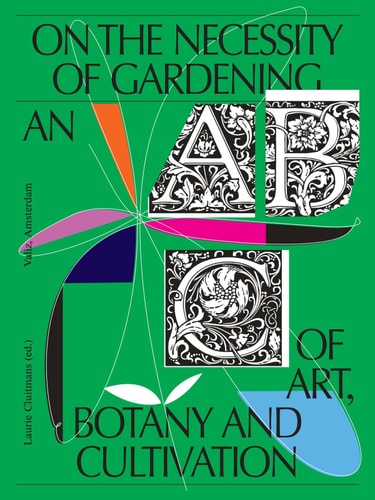
On the Necessity of Gardening: An ABC of Art, Botany and Cultivation
0
0
As an Amazon Associate and affiliate partner, Menrva Books earns from qualifying purchases. Learn more
Author Description
From Arcadia to Guerilla Gardening, Bomarzo to Little Sparta, Roberto Burle Marx to Fritz Haeg, the Anthropocene to Vibrant Matter: a brilliant and radical A-Z of garden history and garden politics Organized as an inventive abecedarium, On the Necessity of Gardening tells the story of the garden as a rich source of inspiration. Over the centuries, artists, writers, poets and thinkers from Capability Brown to Derek Jarman have each described, depicted and designed the garden in different ways. In medieval art the garden was a reflection of paradise, a place of harmony and fertility, shielded from worldly problems. By the 18th century this conception had shifted: the garden had become a symbol of worldly power and politics. Today, the Anthropocene, the era in which humankind dominates nature with disastrous consequences, forces us to radically rethink the role we have given the garden historically. As a result, there is renewed interest in the garden among contemporary makers, thinkers and writers, driven not by romantic desire for retreat but rather a call for a new awareness of our relationship with the earth. Through essays, illustrations and an extensive abecedarium, On the Necessity of Gardening reflects on the garden as an abiding metaphor for society and culture. Entries include: Anthropocene, Arcadia, Bouquet, Roberto Burle Marx, Compost, Dumbarton Oaks, Edible Estates, Ermenonville, Ian Hamilton Finlay, Herb Garden, Japanese Garden, Derek Jarman, Kew Gardens, Lawn, Park, Quaker Garden, Queer Ecology, Roots, Vita Sackville-West, Versailles, Vibrant Matter and Zen Garden.
Menrva's Summary
THE THESIS
This book explores the multifaceted concept of the garden, examining its historical evolution, cultural significance, and political implications. Through an inventive abecedarium format, it traces the garden's transformation from a medieval symbol of paradise to an 18th-century emblem of power, and finally to a contemporary site for rethinking humanity's relationship with the earth in the Anthropocene. The work draws on a wide range of historical and contemporary examples, from Capability Brown to Derek Jarman, and considers diverse perspectives including queer ecology and vibrant matter.
THE SCOPE MAP
- An abecedarium format with entries ranging from 'Anthropocene' to 'Zen Garden'.
- Exploration of garden history from medieval paradise to 18th-century power symbols.
- Analysis of contemporary garden politics and the impact of the Anthropocene.
- Inclusion of diverse figures like Roberto Burle Marx, Derek Jarman, and Vita Sackville-West.
- Discussion of various garden types and concepts such as Japanese Gardens, Edible Estates, and Queer Ecology.
- Reflection on the garden as a metaphor for society and culture.
THE AUTHORITY PERSPECTIVE
The book is presented as a comprehensive and radical exploration of garden history and politics, organized in an inventive abecedarium. It highlights the garden's shifting symbolism across different eras, from a reflection of paradise to a symbol of worldly power, and its current re-evaluation in the context of the Anthropocene. The work is noted for its engagement with contemporary makers and thinkers, driven by a call for greater awareness of our relationship with the earth, and uses essays and illustrations to reflect on the garden's enduring metaphorical significance.
Page Count:
240
Publication Date:
2021-01-01
Publisher:
Valiz
ISBN-10:
9493246000
ISBN-13:
9789493246003
Philosophy
Non-Fiction
Art
History
Gardening
Botany
Art History
Community Tags
Similar Books