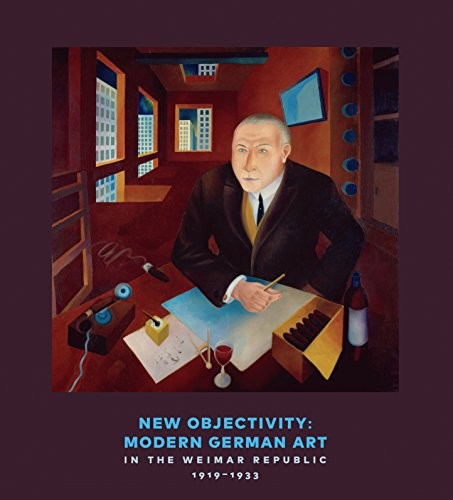
New Objectivity: Modern German Art in the Weimar Republic 1919-1933
0
0
As an Amazon Associate and affiliate partner, Menrva Books earns from qualifying purchases. Learn more
Author Description
This beautifully illustrated book brings together a dazzling variety of works and provides fresh insight into artistic expressions of life in the Weimar Republic. Between the end of World War I and the Nazi rise to power, Germany's Weimar Republic (1919-1933) was a thriving laboratory of art and culture. As the country experienced unprecedented and often tumultuous social, economic, and political upheaval, many artists rejected Expressionism in favor of a new realism to capture this emerging society. Dubbed Neue Sachlichkeit--New Objectivity--its adherents turned a cold eye on the new Germany: its desperate prostitutes and crippled war veterans, its alienated urban landscapes, its decadent underworld where anything was available for a price. Showcasing 150 works by more than 50 artists, this book reflects the full diversity and strategies of New Objectivity. Organized around five thematic sections, it mixes photography, works on paper, and painting to bring them into a visual dialogue. Artists such as Otto Dix, George Grosz, and Max Beckmann are included alongside Christian Schad, Alexander Kanoldt, Georg Schrimpf, August Sander, Lotte Jacobi, and Aenne Biermann. Also included are essays that examine the politics of New Objectivity and its legacy; its relation to international art movements of the time; the context of gender roles and sexuality; and the influence of new technology and consumer goods.
Menrva's Summary
THE THESIS
The book investigates the artistic movement known as New Objectivity that emerged in Germany during the tumultuous Weimar Republic. It explores how artists, reacting against Expressionism, adopted a new realism to depict the social, economic, and political realities of the era between 1919 and 1933. The works presented offer a stark portrayal of contemporary German life, including its marginalized figures, urban landscapes, and decadent underbelly. Through a diverse range of media and thematic sections, the book captures the multifaceted strategies and visual dialogues within this significant art movement.
THE SCOPE MAP
- Showcases 150 works by over 50 artists, including paintings, photography, and works on paper.
- Features prominent artists such as Otto Dix, George Grosz, Max Beckmann, Christian Schad, Alexander Kanoldt, Georg Schrimpf, August Sander, Lotte Jacobi, and Aenne Biermann.
- Organized around five thematic sections that explore different facets of New Objectivity.
- Includes essays examining the politics of the movement, its relationship to international art, gender roles, sexuality, and the impact of new technologies and consumerism.
- Provides fresh insight into the artistic expressions of life in the Weimar Republic.
- Reflects the full diversity and strategies of the New Objectivity movement.
THE AUTHORITY PERSPECTIVE
This book is regarded as a comprehensive exploration of the New Objectivity movement, offering a visually rich and insightful look into German art during the Weimar Republic. The inclusion of essays by scholars provides critical context, examining the movement's political dimensions, its place within broader art historical trends, and its engagement with societal changes. The diverse selection of artists and media ensures a thorough representation of the movement's scope and impact. It serves as a valuable resource for understanding this pivotal period in 20th-century art history.
Page Count:
360
Publication Date:
2015-01-01
ISBN-10:
3791354310
ISBN-13:
9783791354316
History
Non-Fiction
Art
Art History
German Art
Modern Art
Realism
Community Tags
Similar Books














