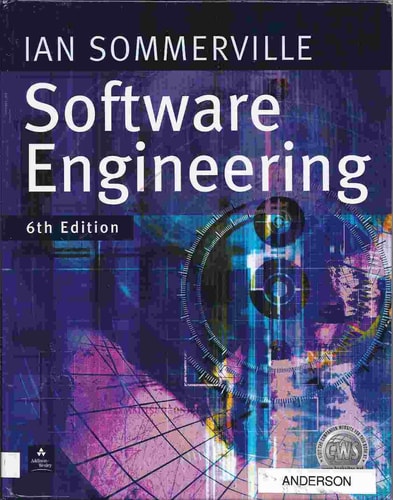
Software Engineering
0
0
As an Amazon Associate and affiliate partner, Menrva Books earns from qualifying purchases. Learn more
Author Description
The new edition of this best-selling book provides a comprehensive discussion of software engineering techniques and shows how they can be applied in practical software projects. This book features new coverage of the software process and software process technology, system integration, requirements management, and risk analysis, as well as new chapters on pattern-based reuse, distributed system engineering, and legacy systems. Sommerville has incorporated a more object-oriented approach in this edition—using UML and Java—and has removed much of the material on CASE, formal methods, and Ada, making the book more in tune with current technology and practice. A new discussion of professional ethics in the introduction helps to make readers aware of the responsibilities that come with engineering software. The sixth edition uses Java for all programming examples, and bases all design examples on UML notation. It includes new chapters on pattern-based reuse, distributed system engineering, and legacy systems, as well as new coverage of the software process and software process technology, system integration, requirements management, and risk analysis. This book is designed for readers needing a general introduction to software engineering (development, management, and evolution), especially with regard to system requirements engineering and critical systems.
Menrva's Summary
THE THESIS
This text investigates the core methodologies, management practices, and technical frameworks required to engineer complex software systems effectively. Ian Sommerville, a recognized authority in software engineering, synthesizes industry-standard techniques with academic rigor to provide a comprehensive overview of the development lifecycle. The book argues that successful software engineering requires a balance between technical proficiency, such as object-oriented design, and professional responsibility, including ethical considerations in system development.
THE SCOPE MAP
What You Will Find
- Comprehensive coverage of software process models and process technology.
- Practical application of UML notation and Java for design and implementation examples.
- Analysis of critical system requirements, risk management, and system integration strategies.
- Specialized modules on pattern-based reuse, distributed systems, and the maintenance of legacy software.
THE AUTHORITY PERSPECTIVE
Experts and educators frequently cite this work as a foundational text for students and practitioners entering the field of software development. Readers often note the structured, academic density of the prose, which serves as a reliable reference for both theoretical concepts and practical project management.
Page Count:
720
Publication Date:
2000-08-21
Publisher:
Addison Wesley
ISBN-10:
020139815X
ISBN-13:
9780201398151
Technology
Systems Architecture
Programming
Computer software
Computer Science
Software Engineering
Community Tags
Other Editions(15)

Pearson
2018
Default edition
Pearson
2016

Pearson Education
2015
Pearson Education Asia Limited
2014

Pearson Education Deutschland GmbH
2012
Pearson Deutschland
2012

Pearson Higher Ed
2011
Pearson
2011
Addison-Wesley
2007
2003

Pearson Studium
2001

Pearson Education
2001
Addison Wesley
2000
Addison Wesley Longman
2000
Addison Wesley Publishing Company
1985
Similar Books







Reader Comments
Share Your Thoughts
No comments yet. Be the first to share your thoughts!