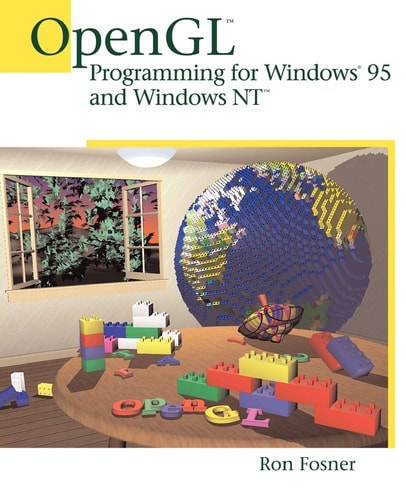
OpenGL Programming for Windows 95 and Windows NT
0
0
As an Amazon Associate and affiliate partner, Menrva Books earns from qualifying purchases. Learn more
Author Description
The licensing of OpenGL to many leading computer companies, including Microsoft, has made it possible for graphics programmers to learn to write stunning 3D graphics programs using the industry graphics standard on the world's most popular operating system. And OpenGL Programming for Windows 95 and Windows NT is the key to the door of opportunity for those who see the tremendous potential for programmers who can produce high-quality 3D applications on these platforms. Using numerous examples, Microsoft's Visual C++ programming platform, the C++ programming language, and the Microsoft Foundation Classes, Fosner starts with a generic C application that can be compiled from any 32-bit C compiler and, step by step, covers the basics of creating an OpenGL program: Selecting the appropriate pixel format, Arranging the device context and rendering contexts, Enhancing OpenGL programs to achieve maximum speed, Using display lists and texture maps, Finding OpenGL enhancements hidden in your video driver, Programming OpenGL's Modelview matrix to get the effects you want, Providing rapid animation under Windows -- without bogging down the user interface. Most important, you'll absorb this knowledge within the context of developing a Windows application that you can experiment with and actually use in your Windows programs. You will gain hands-on experience in designing, creating, programming, measuring, and optimizing a real OpenGL 3D animation program.
Menrva's Summary
THE THESIS
This book investigates the technical implementation of the OpenGL graphics standard within the Windows 95 and Windows NT operating systems. Author Ron Fosner provides a structured framework for developers to transition from generic C applications to high-performance 3D graphics software. By utilizing Microsoft Visual C++ and the Microsoft Foundation Classes, the text establishes a methodology for integrating complex rendering contexts into the Windows environment.
THE SCOPE MAP
What You Will Find
- Technical procedures for configuring pixel formats and device contexts for OpenGL.
- Optimization techniques for maximizing rendering speed and performance.
- Practical implementation of display lists and texture mapping within 3D applications.
- Methodologies for managing animation without compromising the Windows user interface.
THE AUTHORITY PERSPECTIVE
Experts recognize this as a foundational technical manual for developers working with early 32-bit Windows graphics environments. Readers frequently note the practical, example-driven approach that bridges the gap between theoretical OpenGL standards and specific Windows API requirements.
Page Count:
284
Publication Date:
1996-10-29
Publisher:
AddisonWesley Professional
ISBN-10:
0201407094
ISBN-13:
9780201407099
graphics
Computer Science
Programming
Windows
Microsoft Windows
Community Tags
Other Editions(2)

Similar Books