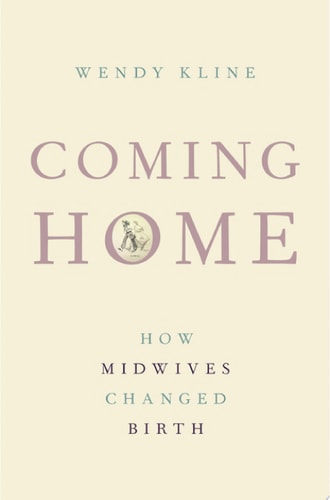
Coming Home
0
0
As an Amazon Associate and affiliate partner, Menrva Books earns from qualifying purchases. Learn more
Author Description
By the mid-twentieth century, two things appeared destined for extinction in the United States: the practice of home birth and the profession of midwifery. In 1940, close to half of all U.S. births took place in the hospital, and the trend was increasing. By 1970, the percentage of hospital births reached an all-time high of 99.4%, and the obstetrician, rather than the midwife, assumed nearly complete control over what had become an entirely medicalized procedure. Then, seemingly out of nowhere, an explosion of new alternative organizations, publications, and conferences cropped up, documenting a very different demographic trend; by 1977, the percentage of out-of-hospital births had more than doubled. Home birth was making a comeback, but why? The executive director of the American College of Obstetricians and Gynecologists publicly noted in 1977 the rising tide of demand for home delivery, describing it as an anti-intellectual-anti-science revolt. A quiet revolution spread across cities and suburbs, towns and farms, as individuals challenged legal, institutional and medical protocols by choosing unlicensed midwives to catch their babies at home. Coming Home analyzes the ideas, values, and experiences that led to this quiet revolution and its long-term consequences for our understanding of birth, medicine, and culture. Who were these self-proclaimed midwives and how did they learn their trade? Because the United States had virtually eliminated midwifery in most areas by the mid-twentieth century, most of them had little knowledge of or exposure to the historic practice, drawing primarily on obstetrical texts, trial and error, and sometimes instruction from aging home birth physicians to learn their craft. While their constituents were primarily drawn from the educated white middle class, their model of care (which ultimately drew on the wisdom and practice of a more diverse, global pool of midwives) had the potential to transform birth practices for all women, both
Menrva's Summary
THE THESIS
This book investigates the resurgence of home birth and the midwifery profession in the United States during the late twentieth century, questioning why a practice nearing extinction experienced a sudden, widespread revival. Wendy Kline, a historian specializing in women's health, utilizes archival research and historical analysis to examine the shift from medicalized hospital births to the counter-cultural movement of home delivery. She argues that this shift was not merely a medical preference but a profound cultural challenge to the established obstetrician-led model of care.
THE SCOPE MAP
What You Will Find
- Historical analysis of birth trends in the United States from 1940 to the late 1970s.
- Examination of the rise of alternative birth organizations and publications.
- Investigation into the demographics and training methods of self-taught midwives during this period.
Scope Limits
- The text focuses primarily on the American context and does not provide a comprehensive global history of midwifery.
- The analysis centers on the mid-to-late twentieth-century revival and does not cover contemporary twenty-first-century birth statistics or legal developments.
THE AUTHORITY PERSPECTIVE
Scholars and medical historians recognize this work as a significant contribution to the study of American reproductive history and the sociology of medicine. Readers frequently note the clarity of the author's research and the balanced approach taken when documenting the tensions between medical institutions and the home birth movement.
Page Count:
320
Publication Date:
2018-01-01
Publisher:
Oxford University Press
ISBN-10:
0190232528
ISBN-13:
9780190232528
History
Medicine
Womens Health
Sociology
Midwifery
Community Tags
Similar Books