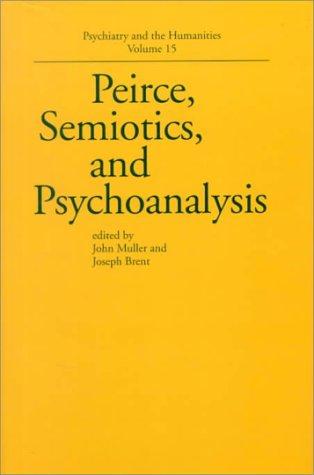
Peirce, Semiotics, and Psychoanalysis
0
0
As an Amazon Associate and affiliate partner, Menrva Books earns from qualifying purchases. Learn more
Author Description
The slow and steady rise of the reputation of Charles Sanders Peirce (1839-1914) has coincided with a greater appreciation for his work in semiotics. Once thought to be primarily a logician and pragmatist, he is now internationally honored as a pioneer theorist about how minds think with signs; icons, indexes, and symbols. Peirce's ideas about semiotics provide exactly the kind of representational theory that Freud's system lacks, proposing a thorough recasting of psychoanalytic thinking which rejoins idea and affect, self and other, thought and action, meaning and matter, inside and outside. The essays in this collection provide an introduction to Peirce and explore different implications of Peirce's theory of representation for psychoanalytic practice as well as for philosophical reflection.--BOOK JACKET.
Menrva's Summary
THE THESIS
This book investigates the potential of Charles Sanders Peirce's semiotics to fundamentally reshape psychoanalytic theory and practice. The collection explores how Peirce's theories of representation, particularly his concepts of icons, indexes, and symbols, can provide the missing theoretical framework for Freud's system, aiming to reintegrate disparate elements of human experience such as idea and affect, self and other, and meaning and matter. The essays offer an introduction to Peirce's work and delve into the implications of his representational theory for both philosophical inquiry and the practical application of psychoanalysis.
THE SCOPE MAP
- Introduction to the semiotic theories of Charles Sanders Peirce.
- Exploration of Peirce's concepts of icons, indexes, and symbols.
- Analysis of how Peirce's representational theory addresses gaps in Freudian psychoanalysis.
- Discussion on rejoining idea and affect within a semiotic framework.
- Examination of the integration of self and other through Peirce's lens.
- Consideration of the relationship between thought and action, meaning and matter.
- Implications of Peirce's semiotics for philosophical reflection.
- Applications of Peirce's theory to psychoanalytic practice.
THE AUTHORITY PERSPECTIVE
The essays in this collection are designed to introduce readers to Charles Sanders Peirce's influential work in semiotics and to explore its profound implications for psychoanalysis. By proposing Peirce's representational theory as a foundational element that Freud's system currently lacks, the book aims to offer a comprehensive recasting of psychoanalytic thinking. The collection seeks to bridge the gap between idea and affect, self and other, and meaning and matter, providing a new framework for understanding the human mind. The work is intended for both philosophical reflection and practical application within psychoanalytic practice.
Page Count:
200
Publication Date:
2000-01-01
ISBN-10:
0801862884
ISBN-13:
9780801862885
Non-Fiction
Philosophy
Psychoanalysis
Semiotics
Charles Sanders Peirce
Community Tags
Similar Books