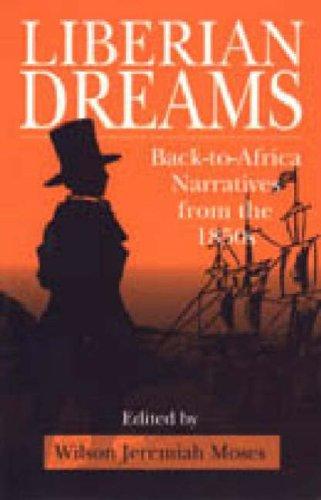
Liberian Dreams
0
0
As an Amazon Associate and affiliate partner, Menrva Books earns from qualifying purchases. Learn more
Author Description
In the early nineteenth century, the American Colonization Society was formed for the purpose of encouraging emigration of free blacks to Africa. While intent on ridding the United States of what they saw as a dangerous black population, the association also attracted some liberals who viewed its goals as an incentive toward emancipation. Attitudes among African Americans toward colonization were varied, viewed by some as an opportunity to start new lives in a free country and by others as a deceptive scheme of the white man. But when the passage of the Fugitive Slave Act in 1850 put the freedom of every person of African descent in jeopardy, many began to consider emigration their only option. This collection of historic documents illuminates the debate on emigration through the narratives of four black men who in 1853 traveled to the new black nation of Liberia. Their accounts offer surprisingly different views and insights on the young country and provide both endorsements and condemnations of the colonization effort.--BOOK JACKET.
Menrva's Summary
THE THESIS
The American Colonization Society's complex legacy is examined through the firsthand accounts of four Black men who traveled to Liberia in 1853. The early 19th century saw the formation of the American Colonization Society, an organization with the dual aims of removing free Black populations from the United States and potentially aiding emancipation. African Americans held divided opinions on colonization, with some seeing it as a chance for a new beginning and others as a deceptive tactic. The passage of the Fugitive Slave Act in 1850 intensified this debate, making emigration a pressing consideration for many.
THE SCOPE MAP
- Analysis of the American Colonization Society's motivations and impact.
- Exploration of varied African American perspectives on colonization.
- Detailed accounts from four Black men who traveled to Liberia in 1853.
- Contrasting views and insights on the nascent nation of Liberia.
- Examination of both endorsements and condemnations of the colonization effort.
- Historical context of the Fugitive Slave Act of 1850 and its influence on emigration decisions.
THE AUTHORITY PERSPECTIVE
This collection of historical documents offers a nuanced perspective on the complex debate surrounding emigration to Liberia in the mid-19th century. The firsthand narratives of the four travelers provide a critical lens through which to view the American Colonization Society's efforts, revealing a spectrum of opinions on the new nation. The inclusion of both praise and criticism for the colonization endeavor highlights the multifaceted nature of this historical movement. The book serves as a valuable resource for understanding the diverse experiences and viewpoints of African Americans grappling with issues of freedom and opportunity.
Page Count:
234
Publication Date:
1998-01-01
ISBN-10:
0271017104
History
Non-Fiction
Biography
Travel
Politics
Sociology
American History
Community Tags
Similar Books