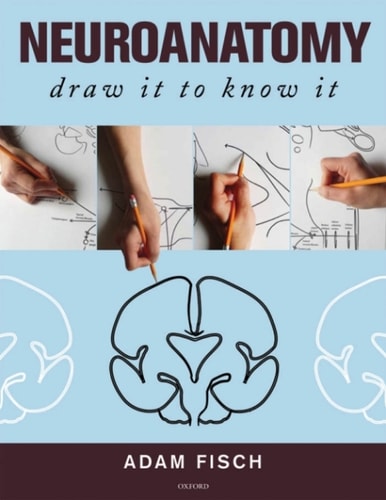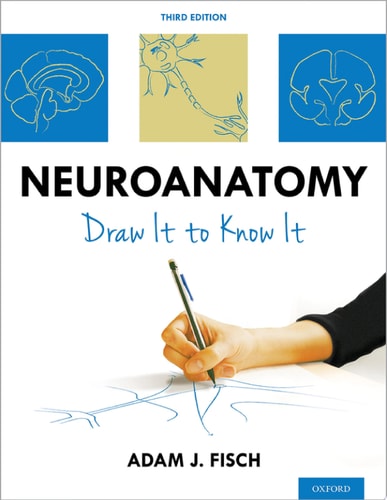
Neuroanatomy: Draw It To Know It
0
0
As an Amazon Associate and affiliate partner, Menrva Books earns from qualifying purchases. Learn more
Author Description
Neuroanatomy: Draw It To Know It, Third Edition Teaches Neuroanatomy In A Purely Kinesthetic Way. In Using This Book, The Reader Draws Each Neuroanatomical Pathway And Structure, And In The Process, Creates Memorable And Reproducible Schematics For The Various Learning Points In Neuroanatomy In A Hands-on, Enjoyable And Highly Effective Manner. In Addition To This Unique Method, Neuroanatomy: Draw It To Know It Also Provides A Remarkable Repository Of Reference Materials, Including Numerous Anatomic And Radiographic Brain Images And Illustrations From Many Other Classic Texts To Enhance The Learning Experience. In The Third Edition Of This Now-classic Text, The Author Completely Reorganized The Book Based On User-feedback, Taking A More Intuitive And Easy-to-use Approach. For The First Time, The Illustrations Are In Full Color. No Other Text In Neuroanatomy Engages The Reader In As Direct A Manner As This Book And None Covers The Advanced Level Of Detail Found While Retaining The Simplistic Approach To The Learning Which Has Become The Cornerstone Of The Text. Neuroanatomy: Draw It To Know It Is Singular In Its Ability To Engage And Instruct Without Overwhelming Any Level Of Neuroanatomy Student.
Menrva's Summary
THE THESIS
This text investigates the efficacy of kinesthetic learning as a primary method for mastering complex neuroanatomical structures and pathways. Author Adam J. Fisch, a medical educator, argues that active engagement through drawing facilitates better retention than passive reading alone. The book provides a structured framework where readers manually recreate neural schematics, transforming abstract anatomical data into reproducible visual knowledge. This third edition incorporates user feedback to refine the pedagogical flow and introduces full-color illustrations to improve clarity.
THE SCOPE MAP
What You Will Find
- Step-by-step drawing exercises for major neuroanatomical pathways
- A comprehensive repository of anatomic and radiographic brain images
- Comparative illustrations derived from classic medical texts
- A reorganized curriculum designed for intuitive progression
Scope Limits
- The text does not provide exhaustive clinical pathology or diagnostic protocols beyond the scope of anatomical structure
- It does not serve as a substitute for a comprehensive neurophysiology textbook
THE AUTHORITY PERSPECTIVE
Medical students and educators frequently cite this text as a unique, high-utility resource for simplifying complex neural architecture. Experts highlight the book's ability to maintain academic rigor while utilizing a hands-on methodology that prevents cognitive overload.
Page Count:
480
Publication Date:
2017-01-01
Publisher:
Oxford University Press
ISBN-10:
0190259590
ISBN-13:
9780190259594
Anatomy
textbook
Medical
Education
Neuroscience
Reference