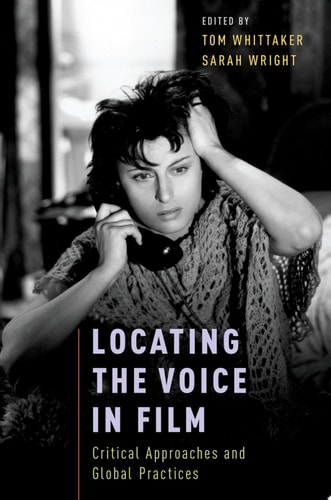
Locating the Voice in Film: Critical Approaches and Global Practices
0
0
As an Amazon Associate and affiliate partner, Menrva Books earns from qualifying purchases. Learn more
Author Description
Where Is The Place Of The Voice In Film? Where Others Have Focused On Hollywood Film, This Volume Aims To Extend The Field To Other Cinemas From Around The World, Encompassing Latin America, Asia And Africa Amongst Others. Traditional Theoretical Accounts, Based On Classical Narrative Cinema, Examine The Importance Of The Voice In Terms Of A Desired Perfect Match Between Visuals And Sonic Effects. But, As The Chapters Of This Volume Illustrate, What Is Normative In One Film Industry May Not Apply In Another. The Widespread Practices Of Dubbing, Postsynch Sound And Playback Singing In Some Countries, For Instance, Provide An Alternative Means Of Understanding The Location Of The Voice In The Soundtrack. Through Seventeen Original Chapters, This Volume Situates The Voice In Film Across A Range Of Diverse National, Transnational And Cultural Contexts, Presenting Readings Which Challenge Traditional Readings Of The Voice In Film In Exciting New Ways. By Taking A Comparative View, This Volume Posits That The Voice May Be Best Understood As A Mobile Object, One Whose Trajectory Follows A Broader Network Of Global Flows. The Various Chapters Explore The Cultural Transformations The Voice Undergoes As It Moves From One Industry To Another. In Doing So, The Volume Addresses Sound Practices Which Have Been Long Been Neglected, Such As Dubbing And Non-synch Sound, As Well The Ways In Which Sound Technologies Have Shaped Nationally Specific Styles Of Vocal Performance. In Addressing The Place Of The Voice In Film, The Book Intends To Nuance Existing Theoretical Writing On The Voice While Applying These Critical Insights In A Global Context.
Menrva's Summary
THE THESIS
This volume investigates the ontological and cultural status of the human voice within global cinematic traditions, challenging the Western-centric assumption that perfect synchronization is the normative standard for film sound. Editors Sarah Wright and Tom Whittaker compile seventeen original chapters that analyze how diverse national industries—including those in Latin America, Asia, and Africa—utilize dubbing, playback singing, and non-synchronous sound to construct meaning. The text argues that the voice should be conceptualized as a mobile object that shifts in significance as it moves across transnational networks and technological frameworks.
THE SCOPE MAP
What You Will Find
- Comparative analyses of vocal performance styles across diverse national film industries.
- Theoretical frameworks for understanding dubbing, postsynch sound, and playback singing as legitimate artistic choices rather than technical failures.
- Historical and cultural examinations of how sound technologies influence national cinematic identities.
- Case studies ranging from Italian opera legacies to Argentine film comedy.
Scope Limits
- The text does not provide a comprehensive history of sound technology development.
- It does not focus on mainstream Hollywood sound production practices, intentionally shifting the lens toward global and non-Western contexts.
THE AUTHORITY PERSPECTIVE
Scholars and film theorists identify this work as a significant intervention in sound studies, noting its success in decentralizing the study of cinematic voice. Readers frequently highlight the academic density of the prose and the breadth of the global case studies as key strengths for researchers in the field.
Page Count:
368
Publication Date:
2016-01-01
Publisher:
Oxford University Press,
ISBN-10:
0190261145
ISBN-13:
9780190261146
Global Cinema
Sound design
Motion pictures
Academic
Film Studies
Media Studies
Voice-overs
Community Tags
Other Editions(2)
Similar Books