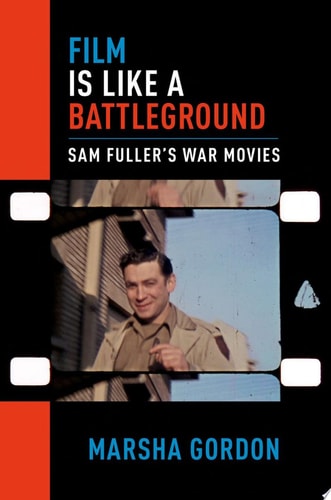
Film Is Like a Battleground: Sam Fuller's War Movies
0
0
As an Amazon Associate and affiliate partner, Menrva Books earns from qualifying purchases. Learn more
Author Description
Film Is Like A Battleground: Sam Fuller's War Movies Is The First Book To Focus On The Genre That Best Defined The American Director's Career: The War Film. It Draws On Previously Unexplored Archival Materials, Such As Fuller's Federal Bureau Of Investigation Files And Wwii-era 16mm Films, To Explore The Director's Lifelong Interest In Making Challenging, Thought-provoking, And Often Politically Dangerous Movies About War. After Establishing The Roots Of Fuller's Cinematographic Schooling In The Trenches During World War Ii, Including Careful Consideration Of His 16mm Footage Of A Nazi Camp At The End Of That War, Film Is Like A Battleground Explores Fuller's First Forays Into Hot War Representation In Hollywood With The Pioneering Korean Conflict Films The Steel Helmet (1951) And Fixed Bayonets (1951). This Pair Of Films Introduced Fuller To His First Run-ins With The American Political Machine When They Triggered Both Fbi And Department Of Defense Investigations Into His Political Sympathies And Affiliations. Fuller's Cold War Films Pickup On South Street (1953) And, Though It Veers Into Hot War Territory, Hell And High Water (1954) Are Fuller's Responses To The Political Pressures He Had Now Personally Experienced And Resented. A Chapter On Fuller's Representation Of Pre-american-invasion Vietnam In China Gate (1957) Alongside His Unrealized Vietnam War Screenplay, The Rifle (ca. Late 1960s), Illustrates The Degree To Which Fuller's Representation Of War And Nation Shifted Even As He Continued To Probe War's Impossible Contradictions. Film Is Like A Battleground Would Be Incomplete Without A Thorough Exploration Of The Films Depicting The War Fuller Personally Experienced And Spent A Lifetime Contemplating, Wwii. Verboten! (1959), Merrill's Marauder's (1962), And The Big Red One (1980) Demonstrate Fuller's Representation Of A Morally Justifiable War. Fuller's 1959 Cbs Television Pilot--dogface--offers A Glimpse At One Of Fuller's Failed Attempts To Bring His Wwii
Menrva's Summary
THE THESIS
This book investigates how Sam Fuller’s personal combat experiences during World War II shaped his cinematic language and his contentious relationship with the American political establishment. Marsha Gordon, a scholar of film and media, utilizes previously unexamined archival materials—including FBI files and Fuller’s own 16mm combat footage—to construct a comprehensive analysis of his war filmography. The work argues that Fuller’s films serve as a direct, often defiant, response to the political pressures and ideological contradictions he encountered throughout his career.
THE SCOPE MAP
What You Will Find
- Analysis of Fuller’s early Korean War films, including The Steel Helmet and Fixed Bayonets.
- Examination of Cold War-era projects like Pickup on South Street and Hell and High Water.
- Investigation into Fuller’s unrealized Vietnam War screenplay, The Rifle.
- Detailed study of his World War II depictions in Verboten!, Merrill's Marauders, and The Big Red One.
- Contextualization of Fuller’s FBI files and personal 16mm footage of Nazi camps.
Scope Limits
- The book does not provide a comprehensive biography of Fuller’s entire life outside of his war-related filmography and political interactions.
- It does not cover his non-war genre films in significant detail.
THE AUTHORITY PERSPECTIVE
Scholars and film historians recognize this text as a rigorous archival study that successfully bridges the gap between Fuller’s personal history and his directorial output. Readers frequently note the academic density of the prose, which provides a sophisticated framework for understanding the intersection of Hollywood production and Cold War political surveillance.
Page Count:
304
Publication Date:
2017-01-01
Publisher:
Oxford University Press
ISBN-10:
0190269766
ISBN-13:
9780190269760
Biography
History
Film Studies
War Cinema
American Cinema
Director Studies
Community Tags
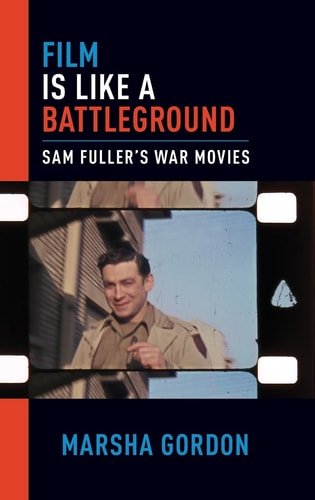
Other Editions(2)
Similar Books





Reader Comments
Share Your Thoughts
No comments yet. Be the first to share your thoughts!