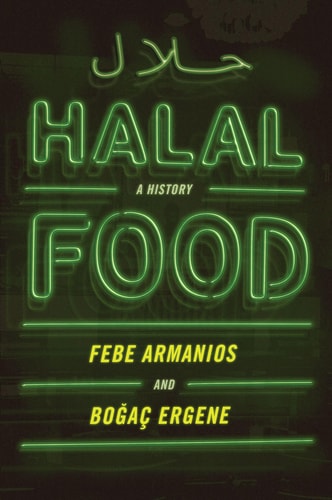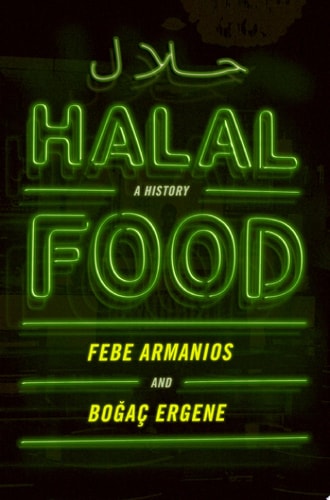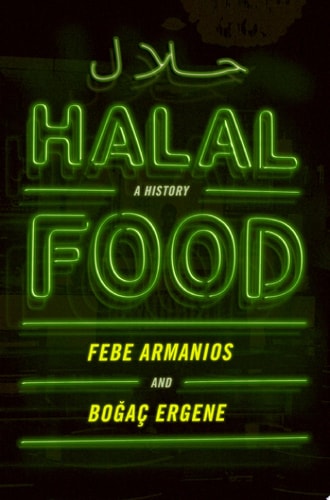
Halal Food
0
0
As an Amazon Associate and affiliate partner, Menrva Books earns from qualifying purchases. Learn more
Author Description
Food Trucks Announcing Halal Proliferate In Many Urban Areas But How Many Non-muslims Know What This Means, Other Than Cheap Lunch? Here Middle Eastern Historians Febe Armanios And Bogac Ergene Provide An Accessible Introduction To Halal (permissible) Food In The Islamic Tradition, Exploring What Halal Food Means To Muslims And How Its Legal And Cultural Interpretations Have Changed In Different Geographies Up To The Present Day. Historically, Muslims Used Food To Define Their Identities In Relation To Co-believers And Non-muslims. Food Taboos Are Rooted In The Quran And Prophetic Customs, As Well As Writings From Various Periods And Geographical Settings. As In Judaism And Among Certain Christian Sects, Islamic Food Traditions Make Distinctions Between Clean And Impure, And Dietary Choices And Food Preparation Reflect How Believers Think About Broader Issues. Traditionally, Most Halal Interpretations Focused On Animal Slaughter And The Consumption Of Intoxicants. Muslims Today, However, Must Also Contend With An Array Of Manufactured Food Products--yogurts, Chocolates, Cheeses, Candies, And Sodas--filled With Unknown Additives And Fillers. To Help Consumers Navigate The New Halal Marketplace, Certifying Agencies, Government And Non-government Bodies, And Global Businesses Vie To Meet Increased Demands For Food Piety. At The Same Time, Blogs, Cookbooks, Restaurants, And Social Media Apps Have Proliferated, While Animal Rights And Eco-conscious Activists Seek To Recover Halal's More Wholesome And Ethical Inclinations. Covering Practices From The Middle East And North Africa To South Asia, Europe, And North America, This Timely Book Is For Anyone Curious About The History Of Halal Food And Its Place In The Modern World.
Menrva's Summary
THE THESIS
This book investigates the historical, legal, and cultural evolution of halal dietary practices within the Islamic tradition and their transformation in the modern global marketplace. Authors Febe Armanios and Boğaç A. Ergene, both historians specializing in the Middle East, utilize a combination of religious texts, historical records, and contemporary sociological analysis to explain how food serves as a marker of identity. They argue that while traditional interpretations focused primarily on animal slaughter and intoxicants, the modern era requires a more complex understanding of industrial food production and global certification standards.
THE SCOPE MAP
What You Will Find
- Historical analysis of Quranic and prophetic dietary laws.
- Examination of the transition from traditional food preparation to modern industrial manufacturing.
- Overview of the global halal certification industry and its regulatory bodies.
- Discussion of contemporary trends including social media, ethical activism, and animal rights.
Scope Limits
- The text does not provide a comprehensive list of all global halal certification standards.
- It does not serve as a cookbook or a practical guide for individual dietary compliance.
THE AUTHORITY PERSPECTIVE
Experts and readers recognize this work as a foundational, accessible introduction to the intersection of Islamic law and modern food culture. The prose is noted for its clarity, making complex legal and historical concepts understandable for a general audience interested in global food systems.
Page Count:
304
Publication Date:
2018-01-01
Publisher:
Oxford University Press
ISBN-10:
0190269065
ISBN-13:
9780190269067
Religion
History
Sociology
Food Studies
Islamic Studies
Community Tags
Similar Books