No Place Like Home
0
0
As an Amazon Associate and affiliate partner, Menrva Books earns from qualifying purchases. Learn more
Author Description
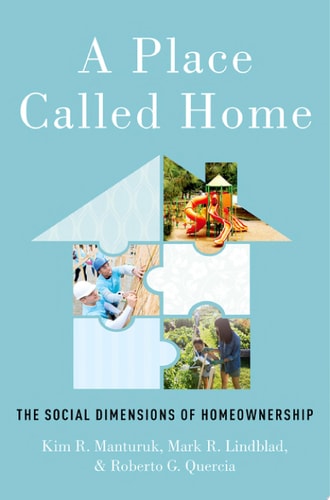
In The Decade Following The Housing Crisis, Americans Remain Enthusiastic About The Prospect Of Owning A Home. Homeownership Is A Symbol Of Status Attainment In The United States, And For Many Americans, Buying A Home Is The Most Important Financial Investment They Will Ever Make. We Are Deeply Committed To An Ideology Of Homeownership That Presents Homeownership As A Tool For Building Stronger Communities And Crafting Better Citizens. However, In No Place Like Home, Brian Mccabe Argues That Such Beliefs About The Public Benefits Of Homeownership Are Deeply Mischaracterized. As Owning A Home Has Emerged As The Most Important Way To Build Wealth In The United States, It Has Also Reshaped The Way Citizens Become Involved In Their Communities. Rather Than Engaging As Public-spirited Stewards Of Civic Life, Mccabe Demonstrates That Homeowners Often Engage In Their Communities As A Way To Protect Their Property Values. This Involvement Contributes To The Politics Of Exclusion, And Prevents Particular Citizens From Gaining Access To High-opportunity Neighborhoods, Thereby Reinforcing Patterns Of Residential Segregation. A Thorough Analysis Of The Politics Of Homeownership, No Place Like Home Prompts Readers To Reconsider The Power Of Homeownership To Strengthen Citizenship And Build Better Communities.
Menrva's Summary
THE THESIS
Does the American ideal of homeownership actually foster stronger communities and better citizenship, or does it primarily serve as a mechanism for exclusion and wealth protection? Brian J. McCabe, a sociologist specializing in urban policy, examines the disconnect between the cultural ideology of homeownership and its practical outcomes in American society. By analyzing the decade following the 2008 housing crisis, the author argues that the financial imperative of protecting property values often overrides the civic benefits traditionally associated with owning a home.
THE SCOPE MAP
What You Will Find
- Analysis of the post-2008 housing market and its impact on civic engagement.
- Examination of the relationship between property value protection and local political participation.
- Discussion of residential segregation patterns linked to homeowner behavior.
Scope Limits
- The text focuses primarily on the United States context and does not provide a comparative analysis of international housing models.
- The book does not offer a comprehensive guide to personal real estate investment strategies.
THE AUTHORITY PERSPECTIVE
Scholars and urban policy experts frequently cite this work as a critical examination of the social consequences of housing policy. Readers often note the academic rigor of the prose, which provides a clear, evidence-based challenge to long-standing cultural assumptions about homeownership.
Page Count:
256
Publication Date:
2016-01-01
Publisher:
Oxford University Press
ISBN-10:
0190270470
ISBN-13:
9780190270476
Economics
Public Policy
Housing policy
Urban Studies
Sociology
Community Tags
Similar Books