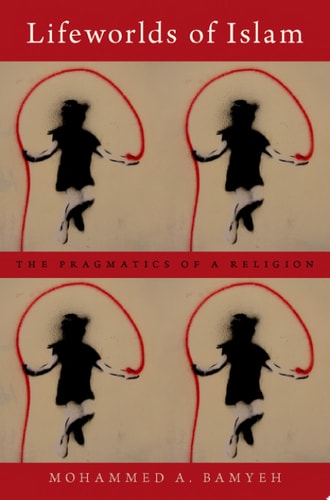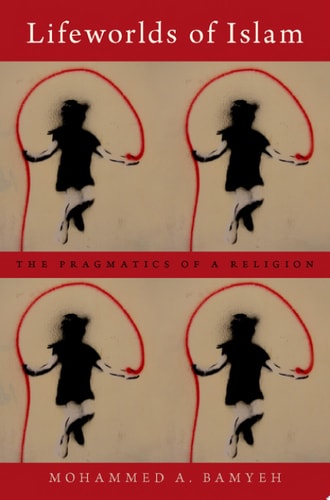
Lifeworlds of Islam
0
0
As an Amazon Associate and affiliate partner, Menrva Books earns from qualifying purchases. Learn more
Author Description
How Do Old Ideas Continue To Appear Relevant In A Modern World? A Sociological Approach To Islam Allow Us To Approach An Answer To This Question. In Lifeworlds Of Islam, Mohammed A. Bamyeh Shows That Islam Has Typically Operated Not In The Form Of Standard Dogmas, But More Often As A Compass For Practical Individual Orientations Or Lifeworlds. Through A Comprehensive Sociological Analysis Of Islam, He Maps Out How Muslims Have Employed The Faith To Foster Global Networks, Public Philosophies, And Engaged Civic Lives Both Historically And In The Present. Bamyeh Further Argues That All Three Fields Are Poorly Understood In Recent Literature, Which Tends To Focus On One Specific Problem Or Another And Does Not Take Into Account The Variety Of Lifeworlds In Which Islam Operates. The Book Contends That The Larger Preoccupations Of Ordinary Muslims-how To Imagine A Global Society, How To Guide Life In The Manner Of A Total Philosophy, And How To Relate To The World Of Daily Struggles In Organized Or Semi-organized Civic Forums And Social Movements-are Neither Unique To The Present Period Nor To Religious Life. They Are Rather Shared Universal Quandaries. A Focused Empirical Lens On The Career Of A Religion, Lifeworlds Of Islam Contributes To The Larger Literature And Provides Insight Into The Nature Of Global Citizenship, The Philosophical Needs Of Individuals, And The Ethical Values That Foster Social Participation.
Menrva's Summary
THE THESIS
How do traditional religious ideas maintain relevance and practical utility within the complexities of the modern world? Mohammed A. Bamyeh, a sociologist, utilizes a comprehensive analytical framework to argue that Islam functions primarily as a compass for individual orientation rather than a rigid set of dogmas. By examining historical and contemporary practices, he posits that the concerns of ordinary Muslims regarding global society and civic engagement are universal human quandaries rather than isolated religious phenomena.
THE SCOPE MAP
What You Will Find
- Sociological analysis of Islam as a practical guide for daily life.
- Examination of global networks, public philosophies, and civic participation.
- Comparative study of historical and modern religious expressions.
Scope Limits
- The text does not provide a theological treatise or a doctrinal manual for Islamic practice.
- It avoids focusing on single-issue political problems, preferring a broader sociological lens.
THE AUTHORITY PERSPECTIVE
Scholars and readers recognize this work as a significant contribution to the sociology of religion, particularly for its departure from narrow, dogma-focused analyses. Experts highlight the text as a valuable resource for understanding the intersection of individual ethics and global social participation.
Page Count:
256
Publication Date:
2019-01-01
Publisher:
Oxford University Press
ISBN-10:
0190280573
ISBN-13:
9780190280574
Philosophy
Religion
Global Studies
Sociology
Social Science
Islam
Community Tags
Similar Books