Urban Open Spaces
0
0
As an Amazon Associate and affiliate partner, Menrva Books earns from qualifying purchases. Learn more
Author Description
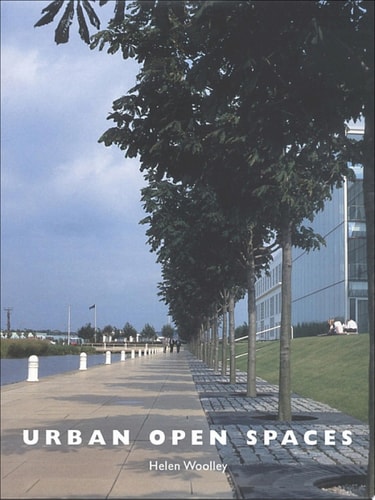
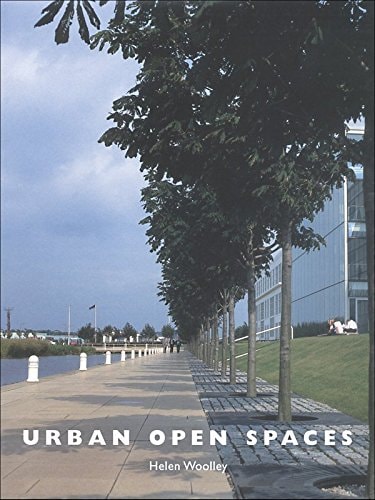
There is enormous interest in urban design and the regeneration of our urban areas, but current thinking often concentrates on the built form, forgetting the important role that open spaces play. Urban Open Spaces brings together extensive research and practical experience to prove the opportunities and benefits of different types of open space to society and individuals. Focusing on the importance of open spaces in daily urban life, the book is divided into three sections. The first section describes the social, health, environmental and economic benefits and opportunities that open spaces can provide. The second section discusses the different types of urban open spaces that individuals or communities might use on a daily basis: from private gardens to commercial squares and waterway corridors. The final section provides best practice case-studies demonstrating urban spaces being incorporated in new developments and community initiatives. This is the first book to bring together a variety of evidence from different disciplines to outline the benefits and opportunities of urban open spaces in an accessible way. Not just for students and practitioners, this book will be of value for anyone interested in the design, development, regeneration, funding and use of open spaces in urban areas.
Menrva's Summary
THE THESIS
This book investigates the critical role that open spaces play in the functionality, health, and social cohesion of modern urban environments. Author Helen Woolley, a recognized expert in landscape architecture and urban design, synthesizes multidisciplinary research to argue that open spaces are as vital to city planning as the built environment itself. The text provides a comprehensive framework for understanding how diverse green and public spaces contribute to individual well-being and broader economic and environmental sustainability.
THE SCOPE MAP
What You Will Find
- Analysis of the social, health, environmental, and economic benefits of urban open spaces
- Categorization of urban spaces ranging from private gardens to commercial squares and waterway corridors
- Practical case studies illustrating successful integration of open spaces in new developments
- Methodologies for community-led initiatives and urban regeneration projects
THE AUTHORITY PERSPECTIVE
Experts and practitioners in the field of urban design frequently cite this work as a foundational text for understanding the intersection of landscape architecture and public policy. Readers often note that the prose is accessible to both students and professionals, providing a clear, evidence-based approach to urban development.
Page Count:
208
Publication Date:
2004-01-01
Publisher:
Taylor & Francis
ISBN-10:
0203402146
ISBN-13:
9780203402146
Architecture
Sociology
urban planning
Landscape architecture
Community Tags
Other Editions(5)

Similar Books









Reader Comments
Share Your Thoughts
No comments yet. Be the first to share your thoughts!