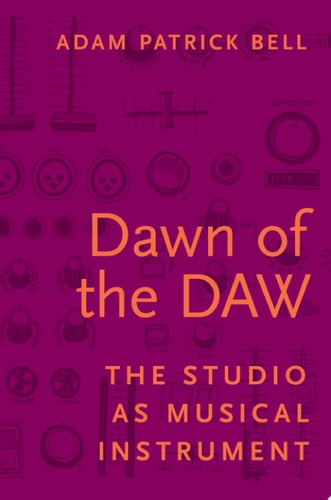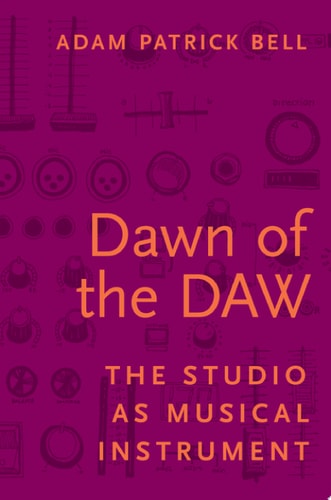
Dawn of the DAW: The Studio as Musical Instrument
0
0
As an Amazon Associate and affiliate partner, Menrva Books earns from qualifying purchases. Learn more
Author Description
Dawn of the DAW tells the story of how the dividing line between the traditional roles of musicians and recording studio personnel (producers, recording engineers, mixing engineers, technicians, etc.) has eroded throughout the latter half of the twentieth century to the present. Whereas those equally adept in music and technology such as Raymond Scott and Les Paul were exceptions to their eras, the millennial music maker is ensconced in a world in which the symbiosis of music and technology is commonplace. As audio production skills such as recording, editing, and mixing are increasingly co-opted by musicians teaching themselves in their do-it-yourself (DIY) recording studios, conventions of how music production is taught and practiced are remixed to reflect this reality.Dawn of the DAW first examines DIY recording practices within the context of recording history from the late nineteenth century to the present. Second, Dawn of the DAW discusses the concept of "the studio as musical instrument" and the role of the producer, detailing how these constructs have evolved throughout the history of recorded music in tandem. Third, Dawn of the DAW details current practices of DIY recording--how recording technologies are incorporated into music making, and how they are learned by DIY studio users in the musically--chic borough of Brooklyn. Finally, Dawn of the DAW examines the broader trends heard throughout, summarizing the different models of learning and approaches to music making. Dawn of the DAW concludes by discussing the ramifications of these new directions for the field of music education.
Menrva's Summary
THE THESIS
This book investigates the historical erosion of the boundary between traditional musician roles and studio personnel, arguing that the digital audio workstation (DAW) has transformed the studio into a primary musical instrument. Adam Patrick Bell, an expert in music education and technology, utilizes a blend of historical analysis and contemporary ethnographic research to map this shift. He examines how the DIY ethos has moved from the periphery of the industry to the center of modern music creation, necessitating a reevaluation of how production skills are taught and practiced.
THE SCOPE MAP
What You Will Find
- A historical survey of recording practices from the late nineteenth century to the present.
- An analysis of the producer's evolving role in the context of the studio as an instrument.
- Ethnographic case studies of DIY studio users and learning models in Brooklyn.
- A critique of current music education frameworks in light of technological accessibility.
Scope Limits
- The study focuses primarily on the DIY context and may not cover large-scale commercial studio workflows in depth.
- The ethnographic research is geographically localized to Brooklyn and may not represent global production trends.
THE AUTHORITY PERSPECTIVE
Scholars and music educators recognize this text as a significant contribution to the study of modern music production and pedagogical reform. Readers frequently note the balance between historical context and contemporary field research, making it a useful resource for those interested in the intersection of technology and creative practice.
Page Count:
256
Publication Date:
2018-03-06
Publisher:
Oxford University Press
ISBN-10:
0190296607
ISBN-13:
9780190296605
Music
Cultural History
Music Technology
Popular music
Music Education
Music Production
Recording Arts
Sound recordings