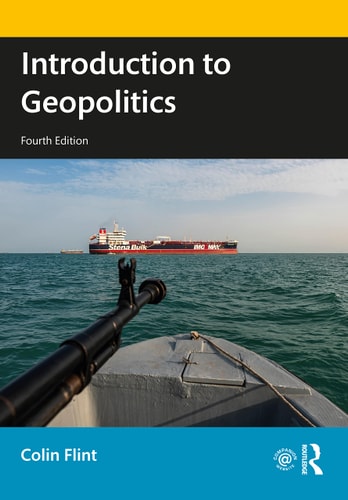
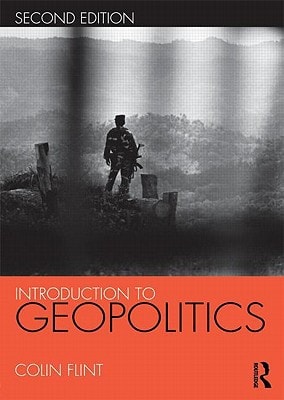
Introduction To Geopolitics
0
0
As an Amazon Associate and affiliate partner, Menrva Books earns from qualifying purchases. Learn more
Author Description
This Clear And Concise Introductory Textbook Guides Students Through Their First Engagement With Geopolitics. It Offers A Clear Framework For Understanding Contemporary Conflicts By Showing How Geography Provides Opportunities And Limits Upon The Actions Of Countries, National Groups, And Terrorist Organizations, And The Overarching Theme Of Geopolitical Structures And Agents Requires No Previous Knowledge Of Theory Or Current Affairs. Throughout The Book, Case Studies, Including The Rise Of Al Qaeda, The Korean Conflict, Israel-palestine, Chechnya And Kashmir, Emphasize The Multi-faceted Nature Of Conflict. These, Along With Guided Exercises, Help Explain Contemporary Global Power Struggles, The Global Military Actions Of The United States, The Persistence Of Nationalist Conflicts, The Changing Role Of Borders, And The New Geopolitics Of Terrorism. Throughout, The Readers Are Introduced To Different Theoretical Perspectives, Including Feminist Contributions, As Both The Practice And Representation Of Geopolitics Are Discussed. Introduction To Geopolitics Is Extensively Illustrated With Diagrams, Maps, And Photographs. Reading This Book Will Provide A Deeper And Critical Understanding Of Current Affairs And Facilitate Access To Higher Level Course Work And Essays On Geopolitics. Both Students And General Readers Alike Will Find This Book An Essential Stepping-stone To Understanding Contemporary Conflicts.
Menrva's Summary
THE THESIS
This text investigates how geographical factors and geopolitical structures constrain or enable the actions of sovereign states, national groups, and non-state actors in the contemporary global landscape. Colin Flint, a recognized scholar in political geography, utilizes a structured framework to bridge the gap between abstract theory and real-world conflict. By examining the interplay between agents and structures, the author provides a systematic method for analyzing power dynamics, military strategy, and the persistence of nationalist tensions without requiring prior academic background in the field.
THE SCOPE MAP
What You Will Find
- Analysis of geopolitical structures and the role of human agents in global power struggles.
- Case studies covering diverse conflicts including the Korean Peninsula, Israel-Palestine, and the rise of Al Qaeda.
- Theoretical perspectives on geopolitics, including critical and feminist contributions to the field.
- Pedagogical tools such as guided exercises, diagrams, maps, and photographs to facilitate comprehension.
THE AUTHORITY PERSPECTIVE
Experts and educators frequently cite this work as a foundational text for students entering the study of political geography and international relations. Readers often note the accessibility of the prose, which balances academic rigor with clear explanations of complex global power dynamics.
Page Count:
240
Publication Date:
2006-01-01
Publisher:
Routledge
ISBN-10:
0203503767
ISBN-13:
9780203503768
textbook
Geography
International relations
Geopolitics
Community Tags
Other Editions(15)





Similar Books



Reader Comments
Share Your Thoughts
No comments yet. Be the first to share your thoughts!