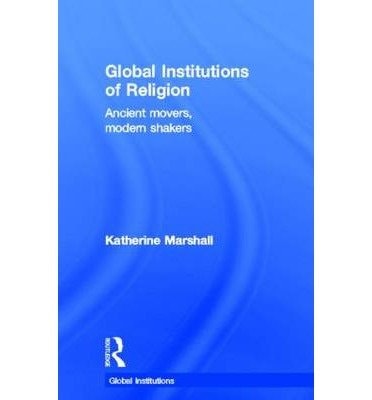
Global Institutions of Religion: Ancient Movers, Modern Shakers
0
0
As an Amazon Associate and affiliate partner, Menrva Books earns from qualifying purchases. Learn more
Author Description
This Work Fills A Significant Gap In The Current Literature By Providing A Concise Introduction To Religious Institutions And An Insightful Analysis Of Their Role In World Affairs. Focusing On Formal Institutions Specifically Dedicated To Governing Religious Communities, The Work Examines The Intersections Between Religious And Other Global Institutions, Set Against The Fundamental Question: Why And How Do These Intersections Matter? The Work Explores The Role Of Religion Within Key Issues Including: Human Rights, Human Security; International Development And Humanitarian Relief; Climate Change; Moral Responsibilities. The New Forms That Religious Institutions Are Taking, Their Fit With Human Rights And Democratic Ideals, Their Changing Nature In Plural Societies, Are A Highly Relevant Part Of The Global Institutional Picture And This Book Is Essential Reading For All Students And Scholars Of Global Institutions, International Relations And Religion. Introduction -- Religion: An Institutional Portrait -- Global Religious Bodies -- Religious Movements In A Globalized World -- Interfaith Encounters: Institutions, Approaches, And Questions -- Faith-inspired Organizations At Work -- Emerging Issues And Future Directions. Katherine Marshall. Includes Bibliographical References (p. [203-206) And Index.
Menrva's Summary
THE THESIS
This work investigates how formal religious institutions function as significant actors within the complex landscape of contemporary global affairs. Katherine Marshall, a seasoned expert in the intersection of faith and development, utilizes a structured institutional framework to analyze how religious bodies interact with secular governance and international organizations. By examining the historical evolution and modern adaptation of these entities, the book argues that religious institutions are indispensable to understanding current global challenges, from human rights to climate policy.
THE SCOPE MAP
What You Will Find
- An institutional portrait of global religious bodies and their governance structures.
- Analysis of the intersection between faith-inspired organizations and international development.
- Examination of religious influence on human security, human rights, and climate change policy.
- Discussion of emerging trends in interfaith encounters and the adaptation of religious movements in pluralistic societies.
THE AUTHORITY PERSPECTIVE
Scholars and students of international relations frequently cite this text as a foundational resource for bridging the gap between religious studies and global governance. Readers note the clarity of the prose, which effectively synthesizes complex institutional dynamics for both academic and professional audiences.
Page Count:
240
Publication Date:
2013-06-26
Publisher:
Routledge
ISBN-10:
0415780446
ISBN-13:
9780203581940
Religion
Globalization
International relations
Sociology
Global Studies