Afghanistan Cave Complexes 1979–2004
0
0
As an Amazon Associate and affiliate partner, Menrva Books earns from qualifying purchases. Learn more
Author Description
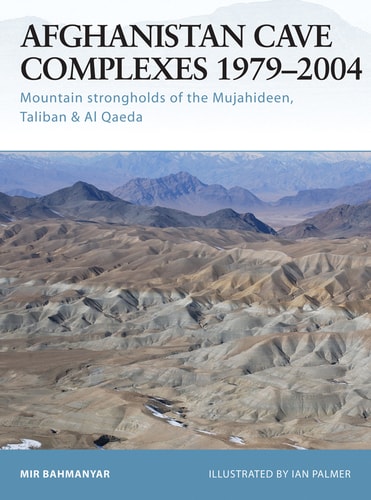
Following the Soviet invasion in 1979, the Mujahideen defenders of Afghanistan developed and reinforced many natural cave systems to use as supply bases and defensive positions. The Taliban and Al Qaeda further strengthened these positions in the 1990s. Following the events of September 11, 2001, these cave systems came to prominence again and sites such as Tora Bora and Zhawar Kili featured in news headlines around the world. This title provides an analysis of these caves and underground systems, and discusses the U.S.-led Coalition's tactical approach to dislodging their enemy from these fortified positions.
Menrva's Summary
THE THESIS
The complex network of Afghan cave systems served as a critical strategic asset for various factions from the Soviet invasion through the early 21st century. Following the Soviet invasion in 1979, Mujahideen forces transformed natural cave systems into fortified bases. These positions were further enhanced by the Taliban and Al Qaeda in the 1990s, leading to their prominence in global news during the U.S.-led Coalition's operations after September 11, 2001. This book analyzes these subterranean defenses and the military strategies employed to counter them.
THE SCOPE MAP
- Analysis of natural cave systems in Afghanistan utilized for military purposes.
- Historical context of their reinforcement by Mujahideen, Taliban, and Al Qaeda.
- Prominence of sites like Tora Bora and Zhawar Kili in post-9/11 conflicts.
- Discussion of the U.S.-led Coalition's tactical approaches to dislodge enemy forces.
- Examination of the strategic importance of these underground positions between 1979 and 2004.
THE AUTHORITY PERSPECTIVE
The book details the strategic use and fortification of Afghan cave complexes from the Soviet invasion to the early 2000s. It analyzes how these natural formations were adapted into defensive strongholds and supply bases by various groups, including the Mujahideen, Taliban, and Al Qaeda. The text further discusses the tactical challenges and responses of the U.S.-led Coalition in confronting entrenched enemies within these formidable underground positions. The focus is on the military and strategic aspects of these locations during a significant period of conflict in Afghanistan.
Page Count:
64
Publication Date:
2012-04-20
Publisher:
Bloomsbury UK
ISBN-10:
1780966296
ISBN-13:
9781780966298
History
Non-Fiction
Cold War
Military History
Geopolitics
Warfare
Afghanistan
Community Tags
Similar Books