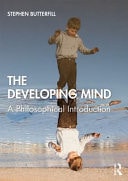
The Developing Mind: A Philosophical Introduction
0
0
As an Amazon Associate and affiliate partner, Menrva Books earns from qualifying purchases. Learn more
Author Description
The Development Of Children's Minds Raises Fundamental Questions, From How We Are Able To Know About Basic Aspects Of The World Such As Objects And Actions To How We Come To Grasp Mental States. The Developing Mind Is The First Book To Critically Introduce And Examine Philosophical Questions Concerning Children's Cognitive Development And Considers The Implications Of Scientific Breakthroughs For The Philosophy Of Developmental Psychology. The Book Explores Central Topics In Developmental Psychology From A Philosophical Perspective: Children's Awareness Of Objects And The Question Of 'object Permanence' The Nature And Explanatory Role Of 'core Knowledge' Evidence For Innate Drivers Of Language Children's Knowledge Of The Relation Between Actions And Goals Puzzles About When Infants First Have Awareness Of Other Minds How Social Interaction Explains The Emergence Of Knowledge Throughout The Book, Stephen Butterfill Draws On Important Case Studies, Including Experiments With Children On Objects And Their Interactions, 'false Belief Tasks', And The Process By Which Children Come To See Other People, Not Just Themselves, As Purposive Agents. He Shows How These Questions Can Illuminate Fundamental Debates In Philosophy Of Mind Concerning The Mind's Architecture, The Explanatory Power Of Representation, The Social Character Of Knowledge, And The Nature Of Metacognitive Feelings. Additional Features, Such As A Glossary And Extensive Bibliographic References, Provide Helpful Tools For Those Coming To The Subject For The First Time-- Provided By Publisher.
Menrva's Summary
THE THESIS
This book investigates the fundamental philosophical questions underlying children's cognitive development and the implications of developmental psychology for the philosophy of mind. Stephen Butterfill, a scholar in the philosophy of cognitive science, synthesizes empirical research with philosophical inquiry to examine how infants and children acquire knowledge about objects, actions, and other minds. The text provides a framework for understanding the mind's architecture and the nature of representation by bridging the gap between scientific experimentation and conceptual analysis.
THE SCOPE MAP
What You Will Find
- Analysis of core knowledge and object permanence in infancy.
- Examination of the relationship between social interaction and the emergence of knowledge.
- Discussion of false belief tasks and the development of theory of mind.
- Philosophical evaluation of the mind's architecture and metacognitive processes.
THE AUTHORITY PERSPECTIVE
Experts identify this work as a foundational text for students and researchers navigating the intersection of developmental psychology and philosophy. Readers frequently note the clarity of the prose, which makes complex cognitive theories accessible to those new to the subject matter.
Page Count:
256
Publication Date:
2020-01-01
Publisher:
Taylor & Francis Group
ISBN-10:
0203758277
ISBN-13:
9780203758274
Philosophy
Psychology
Developmental Psychology
Community Tags
Similar Books