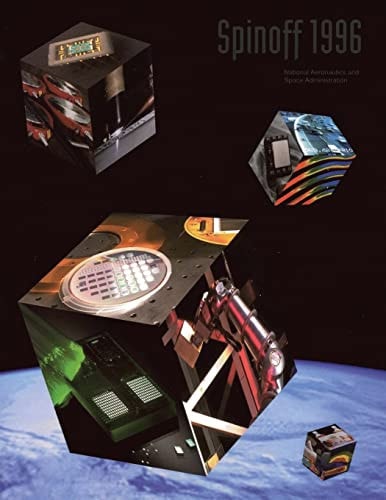
Spinoff 1996
0
0
As an Amazon Associate and affiliate partner, Menrva Books earns from qualifying purchases. Learn more
Author Description
By their challenging nature, NASA programs are particularly demanding of technological input. Meeting the aeronautical and space goals of the past four decades has necessitated leading edge advancements across a diverse spectrum that embraces virtually every scientific and technological discipline. Technology is simply knowledge and, like other forms of knowledge, it is often broadly applied and transferable. For that reason, the vast storehouse of technology NASA has built is a national resource, a bank of knowledge available for commercial applications and enhancements to the quality of life-"spinoff'-to new products and processes of benefit to the national economy, industrial efficiency and human welfare. Multiple use of technology has never been more important. Budgetary stringency is reducing the amount of government funding available for new research and development, but at the same time intensifying international competition demands increasing technological innovation to strengthen the U.S. posture in the global marketplace. Reuse of technology offers a relatively inexpensive supplementary means of partnering with industry focused on bringing new products and processes to the market. More than a thousand of spinoff products and processes have emerged from reapplication of technology developed for NASA mission programs. Each has contributed some measure of benefit to the national economy, productivity or lifestyle; some bring only moderate increments of gain, but many generate benefits of significant order with economic values in the millions of dollars. Other technologies with moderate economic return have added measurably to the quality of life of U.S. citizens. Collectively, they represent a substantial dividend on the national investment in aerospace research. By Congressional mandate, it is NASA's responsibility to promote expansion of spinoff in the public interest. Through its Technology Transfer Program, NASA seeks to encourage greater use of its techn
Menrva's Summary
THE THESIS
NASA's vast repository of technological knowledge serves as a national resource, transferable to commercial applications and enhancements to the quality of life. Facing budgetary constraints and increasing global competition, the reuse of technology developed for NASA missions offers a cost-effective method to foster innovation and strengthen the U.S. economic posture. This book details the significant benefits derived from over a thousand spinoff products and processes that have emerged from NASA's technological advancements. It highlights how these innovations contribute to the national economy, industrial efficiency, and human welfare, fulfilling NASA's Congressional mandate to promote such expansion in the public interest.
THE SCOPE MAP
- The demanding nature of NASA programs and their necessity for cutting-edge technological input.
- The broad applicability and transferability of knowledge gained from NASA's diverse scientific and technological disciplines.
- The concept of NASA's technology storehouse as a national resource for commercial applications.
- The role of technology reuse in addressing budgetary stringency and intensifying international competition.
- The economic benefits and enhancements to quality of life resulting from over a thousand spinoff products and processes.
- NASA's Technology Transfer Program and its mandate to promote spinoff in the public interest.
THE AUTHORITY PERSPECTIVE
This publication, originating from the National Aeronautics & Space Administration, details the significant economic and societal benefits derived from the agency's technological advancements. It emphasizes the strategic importance of technology transfer in a competitive global market and highlights the substantial return on national investment in aerospace research. The text outlines how NASA's innovations have led to numerous commercial applications and improvements in quality of life, underscoring the agency's role in fostering national economic growth and industrial efficiency.
Page Count:
140
Publication Date:
2014-10-20
Publisher:
CreateSpace Independent Publishing Platform
ISBN-10:
1502903369
ISBN-13:
9781502903365
Non-Fiction
Science & Technology
Economics
Aerospace
Technology Transfer
Innovation
Community Tags
Similar Books