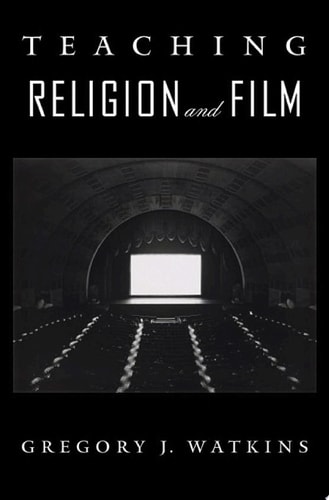
Teaching Religion and Film
0
0
As an Amazon Associate and affiliate partner, Menrva Books earns from qualifying purchases. Learn more
Author Description
In a culture increasingly focused on visual media, students have learned not only to embrace multimedia presentations in the classroom, but to expect them. Such expectations are perhaps more prevalent in a field as dynamic and cross-disciplinary as religious studies, but the practice nevertheless poses some difficult educational issues -- the use of movies in academic coursework has far outpaced the scholarship on teaching religion and film. What does it mean to utilize film in religious studies, and what are the best ways to do it? In Teaching Religion and Film, an interdisciplinary team of scholars thinks about the theoretical and pedagogical concerns involved with the intersection of film and religion in the classroom. They examine the use of film to teach specific religious traditions, religious theories, and perspectives on fundamental human values. Some instructors already teach some version of a film-and-religion course, and many have integrated film as an ancillary to achieving central course goals. This collection of essays helps them understand the field better and draws the sharp distinction between merely "watching movies" in the classroom and comprehending film in an informed and critical way.
Menrva's Summary
THE THESIS
This collection investigates the theoretical and pedagogical frameworks required to effectively integrate film into religious studies curricula. Editor Gregory J. Watkins and a team of interdisciplinary scholars address the disparity between the frequent use of visual media in classrooms and the lack of formal scholarship regarding its academic application. The text provides a structured approach to moving beyond passive viewing, offering methods to utilize cinema as a tool for analyzing religious traditions, theories, and human values.
THE SCOPE MAP
What You Will Find
- Theoretical frameworks for analyzing the intersection of cinema and theology
- Pedagogical strategies for incorporating film into diverse religious studies courses
- Case studies on teaching specific religious traditions through visual media
- Methodologies for transitioning from casual viewing to critical academic engagement
Scope Limits
- Does not provide a comprehensive filmography or syllabus for every religious tradition
- Does not focus on the technical aspects of film production or cinematography
THE AUTHORITY PERSPECTIVE
Scholars and educators frequently cite this text as a foundational resource for bridging the gap between media consumption and academic rigor in the humanities. Experts highlight the volume's utility in establishing clear distinctions between entertainment-based viewing and critical, informed pedagogical practice.
Page Count:
323
Publication Date:
2008-01-01
Publisher:
Oxford University Press
ISBN-10:
0190450614
ISBN-13:
9780190450618
Religion
English
Religious Aspects
Film Studies
Media Studies
Religion
English & College Success
Pedagogy
Education
Motion pictures
Community Tags
Other Editions(2)
Similar Books