Playboy and the Making of the Good Life in Modern America
0
0
As an Amazon Associate and affiliate partner, Menrva Books earns from qualifying purchases. Learn more
Author Description
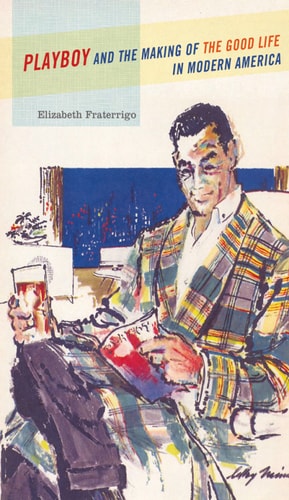
Launched by Hugh Hefner in 1953, Playboy promoted an image of the young, affluent, single male-the man about town ensconced in a plush bachelor pad, in constant pursuit of female companionship and a good time. Spectacularly successful, this high-gloss portrait of glamorous living and sexual adventure would eventually draw some one million readers each month. Exploring the world created in the pages of America's most widely read and influential men's magazine, Elizabeth Fraterrigo sets Playboy's history in the context of a society in transition. Sexual mores, gender roles, family life, notions of consumption and national purpose-all were in flux as Americans adjusted to the prosperity that followed World War II. Initially, Playboy promised only "entertainment for men," but Fraterrigo reveals that its vision of abundance, pleasure, and individual freedom soon placed the magazine at the center of mainstream debates about sex and freedom, politics and pleasure in postwar America. She shows that for Hugh Hefner, the "good life" meant the "playboy life," in which expensive goods and sexually available women were plentiful, obligations were few, and if one worked hard enough, one could enjoy abundant leisure and consumption. In support of this view, Playboy attacked early marriage, traditional gender arrangements, and sanctions against premarital sex. The magazine also promoted private consumption as a key to economic growth and national well-being, offering tips from "The Playboy Advisor" on everything from high-end stereos and cuff-links to caviar and wine. If we want to understand post-war America, Fraterrigo shows, we must pay close attention to Playboy, its messages about pleasure and freedom, the debates it inspired, and the criticism it drew--all of which has been bound up in the popular culture and consumer society that surround us.
Menrva's Summary
THE THESIS
This book investigates how the magazine Playboy functioned as a central cultural force in shaping American values regarding consumption, gender, and personal freedom during the post-World War II era. Elizabeth Fraterrigo, a historian specializing in American culture, utilizes archival research and media analysis to argue that the magazine was not merely entertainment, but a vehicle for promoting a specific vision of the 'good life.' By examining the intersection of economic prosperity and shifting social mores, she demonstrates how the publication influenced mainstream debates about masculinity and national identity.
THE SCOPE MAP
What You Will Find
- Analysis of post-war consumer culture and the rise of the bachelor lifestyle.
- Examination of the magazine's editorial stance on marriage, gender roles, and premarital sex.
- Historical context regarding the economic growth and social transitions of the 1950s and beyond.
Scope Limits
- The text focuses primarily on the magazine's cultural impact rather than a comprehensive biography of Hugh Hefner.
- It does not provide an exhaustive history of the adult entertainment industry beyond the scope of Playboy's influence.
THE AUTHORITY PERSPECTIVE
Scholars and critics recognize this work as a rigorous examination of the relationship between consumerism and social change in mid-century America. Readers frequently note the academic depth of the prose, which provides a balanced look at how a single publication helped redefine the American male identity.
Page Count:
303
Publication Date:
2009-01-01
Publisher:
Oxford University Press
ISBN-10:
0190452633
ISBN-13:
9780190452636
History
Social change
Gender Studies
American History
Sociology
Media Studies
United States
Liberalism
Community Tags
Similar Books