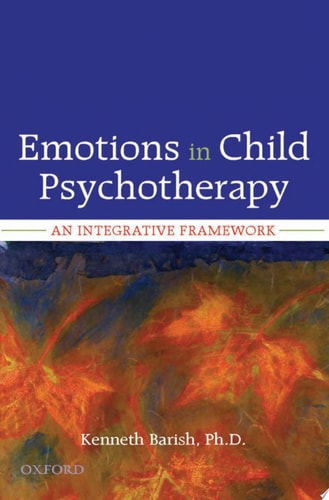
Emotions in Child Psychotherapy: An Integrative Framework
0
0
As an Amazon Associate and affiliate partner, Menrva Books earns from qualifying purchases. Learn more
Author Description
Emotions are the common ground of child psychotherapy and a therapist's essential means of communication with children. Improved emotional resilience must be the shared therapeutic goal of all those who work with children and families. In Emotions in Child Psychotherapy, Kenneth Barish presents an integrative framework for child therapy, based on a contemporary understanding of the child's emotional experience. Barish begins with a concise review of recent advances in the psychology and neuroscience of emotions and an analysis of several emotions-interest, shame and pride, anxiety, anger, and sadness-that are essential, but often underappreciated, in therapeutic work with children. Offering an emotion-based perspective on optimal and pathological development in childhood, Barish argues that in pathological development, negative emotions have become malignant and children are locked in vicious cycles of interaction that perpetuate defiance and withdrawal. Based on these principles, Barish presents a comprehensive model for therapeutic work with children and families. He demonstrates how a systematic focus on the child's emotions provides new understandings of all phases of the therapeutic process and effective means of solving persistent clinical problems: how to engage more children in treatment, mitigate the child's resistance, and provide the kind of understanding to children that promotes openness, initiative, and pro-social character development. Finally, Barish offers a set of active therapeutic strategies that will help repair family relationships damaged by frequent anger and resentment, as well as specific techniques to help parents resolve many of the most common challenges of childrearing. Emotions in Child Psychotherapy includes extensive clinical illustrations and addresses many of the problems faced, at some time, by every child therapist. Both richly informative and highly practical, this book will be value to all students of child therapy and to pract
Menrva's Summary
THE THESIS
This book investigates how an emotion-centered framework can improve therapeutic outcomes for children by addressing the underlying mechanisms of emotional regulation and interpersonal interaction. Kenneth Barish, a clinical psychologist, synthesizes contemporary research from neuroscience and developmental psychology to propose a model that prioritizes the child's emotional experience. He argues that pathological behaviors in children often stem from malignant cycles of negative emotions, and he provides a structured approach for therapists to intervene effectively in these patterns.
THE SCOPE MAP
What You Will Find
- Analysis of primary emotions including interest, shame, pride, anxiety, anger, and sadness.
- A comprehensive model for integrating emotional focus into all phases of the therapeutic process.
- Practical strategies for mitigating resistance and engaging children in treatment.
- Techniques for repairing family relationships and addressing common childrearing challenges.
Scope Limits
- The text focuses primarily on clinical child psychotherapy rather than broad educational or school-based interventions.
- It does not cover pharmacological treatments or non-psychotherapeutic medical interventions for childhood disorders.
THE AUTHORITY PERSPECTIVE
Practitioners frequently cite this work as a practical resource for integrating neuroscientific insights into daily clinical practice. Experts highlight the book's utility for both students and experienced therapists seeking to refine their approach to emotional regulation in children.
Page Count:
196
Publication Date:
2009-01-01
Publisher:
Oxford University Press
ISBN-10:
0190451238
ISBN-13:
9780190451233
Psychology
Child Psychotherapy
Medical
Mental Health
Allied Health
Psychotherapy
Community Tags
Similar Books