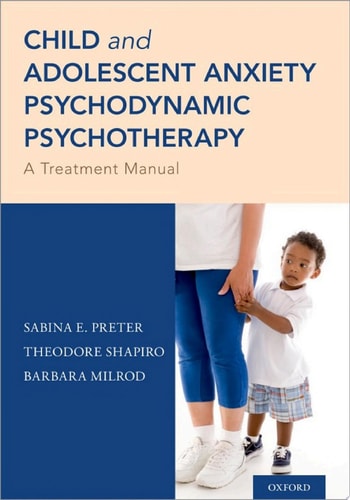
Child and Adolescent Anxiety Psychodynamic Psychotherapy: A Treatment Manual
0
0
As an Amazon Associate and affiliate partner, Menrva Books earns from qualifying purchases. Learn more
Author Description
Child and Adolescent Anxiety Psychodynamic Psychotherapy, CAPP, is a new, manualized, tested, 24-session psychotherapeutic approach to working psychodynamically with youth with anxiety disorders. This book describes how clinicians intervene by collaboratively identifying the meanings of anxiety symptoms and maladaptive behaviors and to communicate the emotional meaning of these symptoms to the child. The treatment is conducted from a developmental perspective and the book contains clinical examples of how to approach youth of varying ages.The authors demonstrate that CAPP can help youth:· Reduce anxiety symptoms by developing an understanding of the emotional meaning of symptoms· Enhance children's skill of reflection and self-observation of one's own and others' motivations (improvement in symptom-specific reflective functioning)· Diminish use of avoidance, dependence and rigidity by showing that underlying emotions (e.g. guilt, shame, anger), as well as conflicted wishes and desires can be tolerated and understood· Understand fantasies and personal emotional significance surrounding the anxiety symptoms to reduce symptoms' magical qualities and impact on the childThe manual provides a description of psychodynamic treatment principles and technique and offers a guide to opening, middle, and termination phases of this psychotherapy. It contains chapters on the historical background of psychodynamic child psychotherapy, on developmental aspects of child psychotherapy, and on the nature of parent involvement in the treatment. It will be useful for clinicians from diverse therapy backgrounds and it will appeal to the student reader, as well as to the experienced clinician.
Menrva's Summary
THE THESIS
This manual investigates the efficacy and application of Child and Adolescent Anxiety Psychodynamic Psychotherapy (CAPP) as a structured, 24-session intervention for youth suffering from anxiety disorders. The authors, Barbara L. Milrod, Sabina E. Preter, and Theodore Shapiro, leverage their clinical expertise to present a developmental framework that prioritizes the identification of emotional meanings behind symptoms. By integrating psychodynamic principles with manualized techniques, the text provides a systematic approach for clinicians to address maladaptive behaviors, avoidance, and internal conflicts in pediatric patients.
THE SCOPE MAP
What You Will Find
- A structured 24-session treatment protocol for anxiety disorders in youth.
- Clinical techniques for fostering reflective functioning and self-observation in children.
- Guidance on managing the opening, middle, and termination phases of therapy.
- Theoretical chapters covering the history of psychodynamic child psychotherapy and developmental considerations.
- Strategies for integrating parent involvement into the therapeutic process.
Scope Limits
- The manual focuses specifically on the CAPP model and does not provide a comparative analysis of other therapeutic modalities like Cognitive Behavioral Therapy.
- The text assumes a baseline knowledge of psychodynamic theory and is not intended as an introductory psychology textbook.
THE AUTHORITY PERSPECTIVE
Clinicians and students frequently cite this work as a practical, well-organized resource for implementing psychodynamic techniques in a clinical setting. Experts highlight the manual's clarity in bridging complex developmental theory with actionable, session-by-session guidance for treating pediatric anxiety.
Page Count:
158
Publication Date:
2018-01-01
Publisher:
Oxford University Press
ISBN-10:
0190877731
ISBN-13:
9780190877736
Psychology
Mental Health
Medical
Anxiety
Psychotherapy
Bariatrics
Allied Health
Community Tags
Similar Books