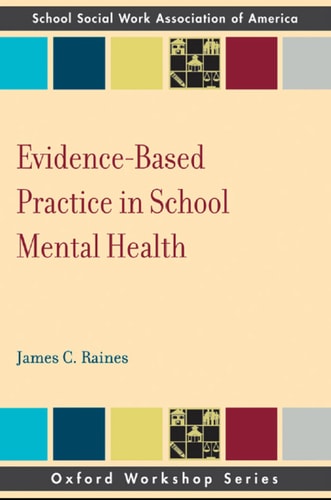
Evidence Based Practice in School Mental Health
0
0
As an Amazon Associate and affiliate partner, Menrva Books earns from qualifying purchases. Learn more
Author Description
Though recent legislation embedded with the No Child Left Behind Act and the Individuals with Disabilities Improvement Act mandates the use of evidence in school-based practice to demonstrate positive outcomes for all students, school social workers - especially those long out of school - often lack the conceptual tools to locate, evaluate, and apply evidence in order to demonstrate the effectiveness of their work. The first of its kind tailored specifically to this audience, this SSAAA Workshop title guides school professionals in infusing research throughout their daily practice. It shows school service providers a pragmatic approach to informing every major practice decision with the appropriate research so that students receive the best possible services. This includes how to use research to make reliable and valid assessments, how to use research to choose the best intervention, and how to do research to evaluate progress. Raines goes beyond creating a catalog of interventions that will soon be outdated and provides school social workers with a detailed road map of the EBP process. Chapters detail the nuts and bolts of EBP, explaining how to ask a relevant, answerable question; where to search for evidence; how to appraise the literature and avoid the pitfalls of web based information; how to adapt and apply the evidence in a developmentally and culturally sensitive way; and how to evaluate the results. Detailed examples along the way, including sample spreadsheets practitioners can easily adapt to evaluate their students' progress, bring accountability within reach for school professionals who struggle to find the time, resources, and support sufficient to apply the best evidence to their schools.
Menrva's Summary
THE THESIS
This book investigates how school social workers can integrate evidence-based practice (EBP) into their daily operations to meet legislative mandates and improve student outcomes. James C. Raines, an expert in school social work, provides a structured framework for practitioners who may lack formal training in research application. The text argues that by adopting a systematic approach to questioning, searching, and evaluating literature, professionals can move beyond static intervention catalogs to create dynamic, data-informed service models.
THE SCOPE MAP
What You Will Find
- A step-by-step methodology for the EBP process in school settings
- Techniques for formulating answerable research questions
- Strategies for appraising literature and avoiding unreliable web-based information
- Practical tools including sample spreadsheets for tracking student progress
- Guidance on adapting research for culturally and developmentally diverse student populations
Scope Limits
- The text focuses primarily on the school social work context rather than broader clinical psychology or general pediatric mental health
- It does not provide a comprehensive, exhaustive list of all existing school-based interventions
THE AUTHORITY PERSPECTIVE
Practitioners and educators frequently cite this work as a foundational resource for bridging the gap between academic research and the realities of school-based service delivery. Experts highlight the book's pragmatic focus on accountability and its utility in helping professionals navigate complex legislative requirements like the No Child Left Behind Act.
Page Count:
363
Publication Date:
2008-01-01
Publisher:
Oxford University Press
ISBN-10:
0190451181
ISBN-13:
9780190451189
Psychology
Evidence-Based Practice
Mental Health
Introduction to Social WorkWelfare
Social Work
Professional Development
Education