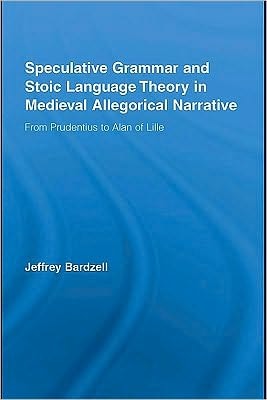
Speculative Grammar and Stoic Language Theory in Medieval Allegorical Narrative
0
0
As an Amazon Associate and affiliate partner, Menrva Books earns from qualifying purchases. Learn more
Author Description
No description available.
Menrva's Summary
THE THESIS
This work investigates the intersection of medieval speculative grammar and Stoic language theory as they inform the structure and meaning of allegorical narratives. Jeffrey Bardzell, a scholar in medieval literature and linguistics, analyzes how the Modistae—a group of 13th-century grammarians—developed a framework that treated language as a reflection of the ontological structure of reality. By applying these linguistic theories to allegorical texts, the author argues that medieval authors utilized specific grammatical modes to construct complex, multi-layered meanings that mirror the philosophical concerns of their time.
THE SCOPE MAP
What You Will Find
- Analysis of the Modistae and their influence on medieval literary composition
- Examination of Stoic linguistic concepts such as the lekton and their transmission into the Middle Ages
- Case studies of major allegorical narratives from the medieval period
- A methodology for reading allegory through the lens of medieval grammatical theory
THE AUTHORITY PERSPECTIVE
Scholars in the field of medieval studies recognize this text as a rigorous examination of the technical intersection between philosophy and literature. Readers frequently note the academic density of the prose, which requires a foundational understanding of both medieval grammar and classical philosophy to fully grasp the author's arguments.
Page Count:
135
Publication Date:
2008-01-01
Publisher:
Routledge
ISBN-10:
0203886518
ISBN-13:
9780203886519
History
Philosophy
Literary Criticism
Linguistics
Community Tags
Similar Books