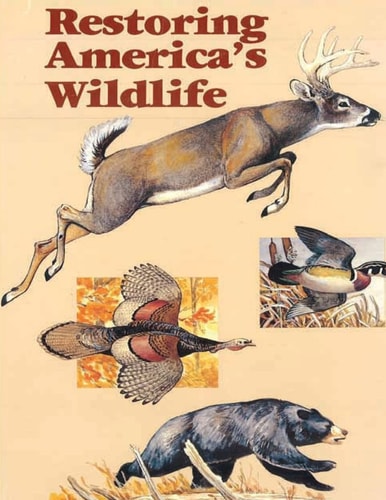
Restoring America's Wildlife 1937-1987
0
0
As an Amazon Associate and affiliate partner, Menrva Books earns from qualifying purchases. Learn more
Author Description
There was a lot of wildlife in America when the first European settles came. Reports from that era depict an Atlantic coastline replete with shorebirds, falcons, waterfowl, and such. The eastern deciduous forests were alive with white-tailed deer, wood bison, wild turkey, black bear, ruffed grouse, passenger pigeon, cougar, timber wold and other animals.
Menrva's Summary
THE THESIS
The book chronicles the significant efforts and transformations in American wildlife conservation over a pivotal fifty-year period. It details the dramatic decline of wildlife populations from the era of European settlement, contrasting the abundant ecosystems described by early reports with the subsequent challenges faced. The narrative focuses on the period between 1937 and 1987, highlighting the policies, scientific advancements, and societal shifts that shaped the restoration of America's diverse fauna.
THE SCOPE MAP
- Historical overview of wildlife abundance in early America.
- Depiction of Atlantic coastline ecosystems and their inhabitants.
- Description of fauna in eastern deciduous forests, including deer, bison, and turkey.
- Examination of the decline of species like the passenger pigeon and cougar.
- Focus on the period from 1937 to 1987 for conservation efforts.
- Details on restoration initiatives and management strategies.
- Analysis of the impact of human settlement on wildlife populations.
THE AUTHORITY PERSPECTIVE
This historical account of American wildlife conservation is likely to appeal to readers interested in environmental history and the evolution of conservation practices. The detailed descriptions of past ecosystems and the subsequent efforts to restore them suggest a focus on ecological change and human intervention. The period covered, 1937-1987, indicates an examination of mid-20th-century conservation policies and their long-term effects. The book's origin from the U.S. Fish & Wildlife Service implies a factual and authoritative perspective on the subject matter.
Page Count:
416
Publication Date:
2015-02-14
Publisher:
Createspace Independent Publishing Platform
ISBN-10:
1507654499
ISBN-13:
9781507654491
History
Non-Fiction
Conservation
Community Tags
Similar Books