
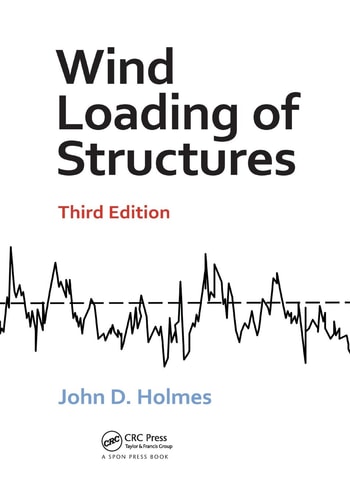
Wind Loading of Structures
0
0
As an Amazon Associate and affiliate partner, Menrva Books earns from qualifying purchases. Learn more
Author Description
Bridging the gap between wind and structural engineering, Wind Loading of Structures demonstrates the application of wind engineering principles to ensure maximum safety in a variety of structures. This book will assist the practising engineer in understanding the principles of wind engineering, and provide guidance on the successful design of structures for wind loading by gales, hurricanes, typhoons, thunderstorm downdrafts and tornados. The principles of meteorology, statistics and probability, aerodynamics and structural dynamics are covered in the first half of the book. The second half describes, qualitatively and quantitatively, the nature of wind loads on all types of structures, including low-rise and tall buildings, large stadium roofs, towers and chimneys, bridges, transmission lines, free-standing walls and roofs, and antennae. Special features include coverage of extreme winds in tropical and sub-tropical climates, wind-tunnel testing techniques, a summary of the wind climates of over sixty countries, and detailed coverage of internal as well as external wind pressures on buildings. A comparison is made of the provisions for wind loads in six major national and international codes and standards. Examples and case studies are given in each chapter that make the book suitable for supporting university graduate courses in wind loading and response.
Menrva's Summary
THE THESIS
This text investigates the complex interaction between atmospheric wind forces and structural integrity to provide a comprehensive framework for safe engineering design. John D. Holmes, an expert in wind engineering, synthesizes principles from meteorology, probability, and structural dynamics to address the challenges posed by extreme weather events. The book serves as a technical bridge, translating theoretical aerodynamic research into practical design methodologies for a wide range of built environments.
THE SCOPE MAP
What You Will Find
- Quantitative and qualitative analysis of wind loads on diverse structures including tall buildings, bridges, and stadium roofs.
- Methodologies for wind tunnel testing and the application of statistical probability in structural safety.
- Comparative reviews of wind load provisions across six major international building codes and standards.
- Technical data regarding wind climates in over sixty countries and the impact of tropical weather phenomena.
THE AUTHORITY PERSPECTIVE
Experts and practitioners frequently cite this work as a foundational reference for graduate-level structural engineering and professional design practice. Readers often note the high level of technical density and the practical utility of the included case studies for real-world application.
Page Count:
392
Publication Date:
2007-01-01
Publisher:
Taylor & Francis Group
ISBN-10:
0203964284
ISBN-13:
9780203964286
Architecture
Structural Engineering
Aérodynamique
Technology & Engineering
Buildings
Wind-pressure
Meteorology
Structural
Wind loads
Constructions
Engineering
Aerodynamics
Nonfiction
Technology
Civil Engineering
Dynamique
Community Tags
Other Editions(7)





Similar Books













Reader Comments
Share Your Thoughts
No comments yet. Be the first to share your thoughts!