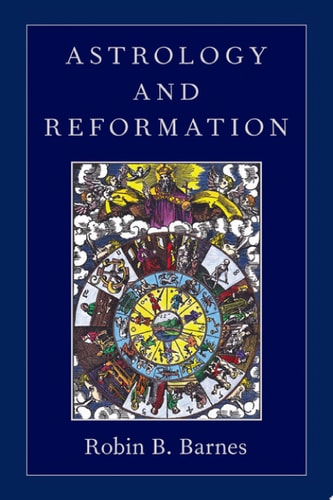
Astrology and Reformation
0
0
As an Amazon Associate and affiliate partner, Menrva Books earns from qualifying purchases. Learn more
Author Description
Winner of the 2016 Roland H. Bainton Book Prize of the Sixteenth Century Society and ConferenceDuring the sixteenth century, no part of the Christian West saw the development of a more powerful and pervasive astrological culture than the very home of the Reformation movement--the Protestant towns of the Holy Roman Empire. While most modern approaches to the religious and social reforms of that age give scant attention to cosmological preoccupations, Robin Barnes argues that astrological concepts and imagery played a key role in preparing the ground for the evangelical movement sparked by Martin Luther in the 1520s, as well as in shaping the distinctive characteristics of German evangelical culture over the following century. Spreading above all through cheap printed almanacs and prognostications, popular astrology functioned in paradoxical ways. It contributed to an enlarged and abstracted sense of the divine that led away from clericalism, sacramentalism, and the cult of the saints; at the same time, it sought to ground people more squarely in practical matters of daily life. The art gained unprecedented sanction from Luther's closest associate, Philipp Melanchthon, whose teachings influenced generations of preachers, physicians, schoolmasters, and literate layfolk. But the apocalyptic astrology that came to prevail among evangelicals involved a perpetuation, even a strengthening, of ties between faith and cosmology, which played out in beliefs about nature and natural signs that would later appear as rank superstitions. Not until the early seventeenth century did Luther's heirs experience a "crisis of piety" that forced preachers and stargazers to part ways. Astrology and Reformation illuminates an early modern outlook that was both practical and prophetic; a world that was neither traditionally enchanted nor rationally disenchanted, but quite different from the medieval world of perception it had displaced.
Menrva's Summary
THE THESIS
This work investigates the paradoxical integration of astrological belief systems within the Protestant Reformation in the sixteenth-century Holy Roman Empire. Robin B. Barnes, a historian specializing in early modern European culture, utilizes a vast collection of printed almanacs and prognostications to challenge the assumption that the Reformation was purely a theological shift. He argues that astrology provided a cosmological framework that facilitated the evangelical movement and shaped German Protestant identity for over a century.
THE SCOPE MAP
What You Will Find
- Analysis of sixteenth-century German almanacs and prognostications.
- Examination of the influence of Philipp Melanchthon on astrological acceptance.
- Historical documentation of the shift from medieval cosmology to early modern evangelical piety.
Scope Limits
- The study focuses primarily on the Holy Roman Empire and does not provide a comprehensive survey of astrological practices in Catholic regions of Europe.
- It does not attempt to analyze the scientific validity of the astrological claims themselves, focusing instead on their social and religious function.
THE AUTHORITY PERSPECTIVE
Scholars recognize this text as a significant contribution to the history of ideas, particularly for its nuanced exploration of how religious reform and popular superstition coexisted. Readers frequently note the academic density of the prose, which provides a rigorous examination of the intellectual climate during the Reformation era.
Page Count:
403
Publication Date:
2015-01-01
Publisher:
Oxford University Press
ISBN-10:
0190493917
ISBN-13:
9780190493912
History
Religion
European History
Body Mind Spirit
Early Modern
Cultural History
Astrology
Reformation
Church History
Community Tags
Other Editions(2)
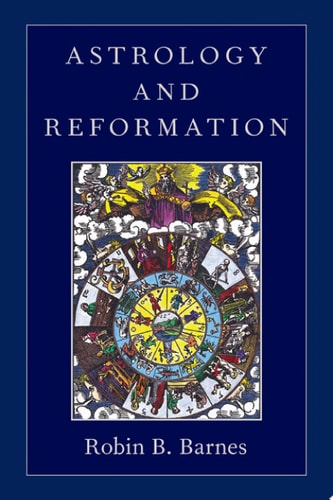
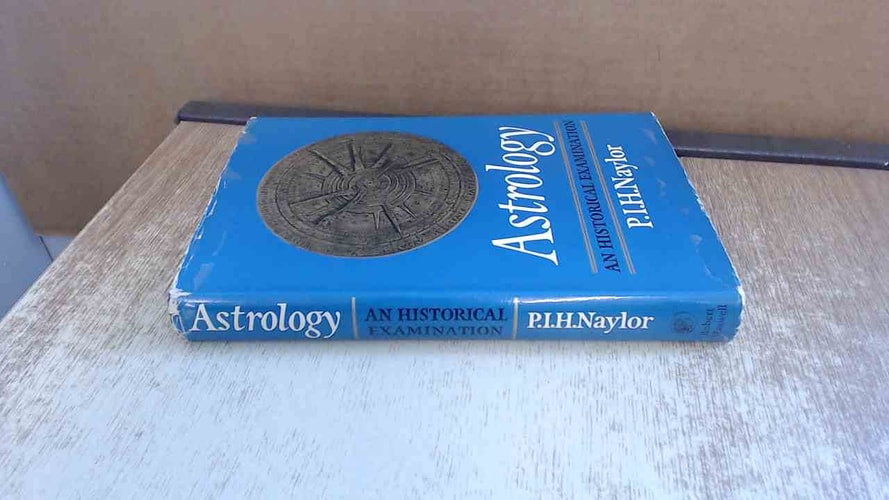
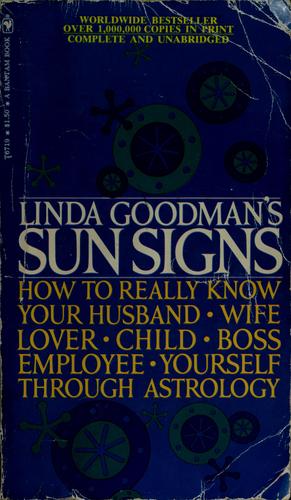
Similar Books











Reader Comments
Share Your Thoughts
No comments yet. Be the first to share your thoughts!