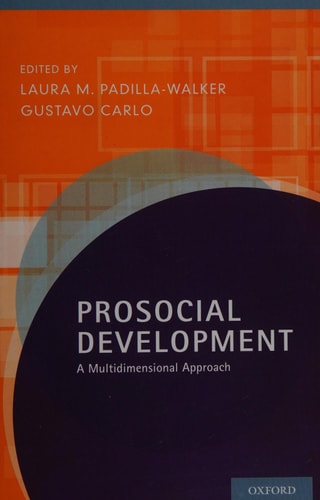
Prosocial Development: A Multidimensional Approach
0
0
As an Amazon Associate and affiliate partner, Menrva Books earns from qualifying purchases. Learn more
Author Description
Prosocial behavior--broadly defined as voluntary action intended to help or benefit another--has been associated with positive outcomes across the lifespan. Children with a more prosocial orientation are better liked and trusted by their peers, have a higher status in peer groups, are better at maintaining friendships, demonstrate better self regulation, empathy, and social cognitive skills, and excel in academics. Researchers have shown that prosocial behaviors correlate to lower rates of school suspension and drop-out, teen pregnancy, substance use, aggression, and delinquency. These positive effects speak to the value of prosocial behavior during formative years.Prosocial Development examines a variety of biological, socialization, and contextual influences on prosocial development from infancy through early adulthood. While the definition of prosocial behavior may seem straightforward, recent research has highlighted its multifaceted nature. This volume specifically focuses on the multidimensionality of prosocial development, examining different contexts, motivations, types, and targets of prosocial behavior that are differentially predicted by socialization and dispositional characteristics. Skillfully edited by Drs. Padilla-Walker and Carlo, each chapter in this volume highlights some aspect of multidimensionality in regard to prosocial behavior and meaningful avenues for future research. This volume will be an important tool for scholars, researchers, and practitioners who are interested in prosocial, moral, and positive youth development. The organization and focus of this volume are also well-suited for use as a text for graduate courses in moral development, child and adolescent development, social psychology, sociology, anthropology, and family studies.
Menrva's Summary
THE THESIS
This volume investigates the multifaceted nature of prosocial behavior and the diverse biological, socialization, and contextual factors that influence its development from infancy through early adulthood. Edited by Drs. Gustavo Carlo and Laura M. Padilla-Walker, the text synthesizes current research to argue that prosocial actions are not monolithic but are instead driven by varying motivations, targets, and dispositional characteristics. The contributors provide a comprehensive framework for understanding how these behaviors correlate with positive developmental outcomes and reduced risks of delinquency.
THE SCOPE MAP
What You Will Find
- Analysis of biological and environmental influences on prosocial behavior
- Examination of different motivations, types, and targets of helping behaviors
- Research on the correlation between prosociality and academic or social success
- Theoretical frameworks for moral and positive youth development
Scope Limits
- The text focuses primarily on developmental stages from infancy through early adulthood
- It does not provide a clinical manual for behavioral intervention but rather an academic overview of developmental research
THE AUTHORITY PERSPECTIVE
Experts and scholars in the fields of psychology and sociology identify this volume as a foundational resource for understanding the complexities of moral development. Readers frequently note the academic density of the prose, making it particularly well-suited for graduate-level coursework and professional research applications.
Page Count:
496
Publication Date:
2016-01-14
Publisher:
Oxford University Press
ISBN-10:
0190499060
ISBN-13:
9780190499068
Psychology
Social Science
Sociology
Socialization
Altruism
Education
Community Tags
Other Editions(2)
Similar Books













Reader Comments
Share Your Thoughts
No comments yet. Be the first to share your thoughts!