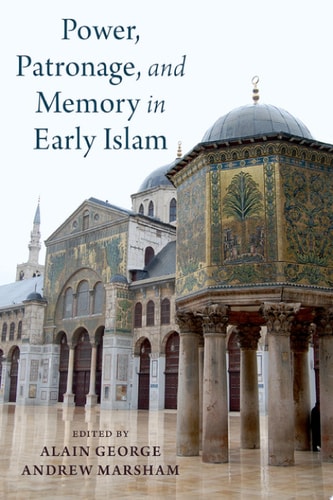
Power, Patronage, and Memory in Early Islam: Perspectives on Umayyad Elites
0
0
As an Amazon Associate and affiliate partner, Menrva Books earns from qualifying purchases. Learn more
Author Description
When the Umayyads, the first Islamic dynasty, rose to power shortly after the death of the Prophet Muhammad (d. 632), the polity of which they assumed control had only recently expanded out of Arabia into the Roman eastern Mediterranean, Iraq and Iran. A century later, by the time of their downfall in 750, the last Umayyad caliphs governed the largest empire that the world had seen, stretching from Spain in the West to the Indus valley and Central Asia in the East. By then, their dynasty and the ruling circles around it had articulated with increasing clarity the public face of the new monotheistic religion of Islam, created major masterpieces of world art and architecture, some of which still stand today, and built a state apparatus that was crucial to ensuring the continuity of the Islamic polity. Within the vast lands under their control, the Umayyads and their allies ruled over a mosaic of peoples, languages and faiths, first among them Christianity, Judaism and the Ancient religion of Iran, Zoroastrianism. The Umayyad period is profoundly different from ours, yet it also resonates with modern concerns, from the origins of Islam to dynamics of cultural exchange.Editors Alain George and Andrew Marsham bring together a collection of essays that shed new light on this crucial period. Power, Patronage, and Memory in Early Islam elucidates the ways in which Umayyad élites fashioned and projected their self-image, and how these articulations, in turn, mirrored their own times. The authors, combining perspectives from different disciplines, present new material evidence, introduce fresh perspectives about key themes and monuments, and revisit the nature of the historical writing that shaped our knowledge of this period.
Menrva's Summary
THE THESIS
This collection of essays investigates how the Umayyad dynasty utilized power, patronage, and historical memory to establish their legitimacy and project their identity during the formative century of the Islamic empire. Editors Alain George and Andrew Marsham, both established scholars in Islamic art and history, curate a multidisciplinary volume that synthesizes archaeological evidence, architectural analysis, and historiographical critique. The contributors argue that the Umayyad elite were not merely passive rulers but active architects of a new religious and political culture that navigated the complexities of a diverse, multi-confessional empire.
THE SCOPE MAP
What You Will Find
- Analysis of Umayyad architectural monuments and artistic production.
- Examination of the administrative and state-building strategies employed by the caliphs.
- Re-evaluation of the historical narratives and sources that define modern understanding of the Umayyad period.
- Studies on the interaction between the Islamic ruling class and the diverse populations of the Roman and Persian territories.
Scope Limits
- The text does not provide a comprehensive chronological biography of every Umayyad caliph.
- It does not focus on the theological debates within early Islam, prioritizing political and cultural manifestations instead.
THE AUTHORITY PERSPECTIVE
Scholars and historians recognize this volume as a significant contribution to the study of early Islamic statecraft and cultural identity. Readers frequently note the academic density of the prose, which is intended for researchers and students of Middle Eastern history.
Page Count:
370
Publication Date:
2017-12-29
Publisher:
Oxford University Press
ISBN-10:
0190498935
ISBN-13:
9780190498931
History
Archaeology
Islam
Political History
Islamic Studies
Middle Eastern
Islamic Empire
Cultural History
Community Tags
Other Editions(2)
Similar Books

Reader Comments
Share Your Thoughts
No comments yet. Be the first to share your thoughts!