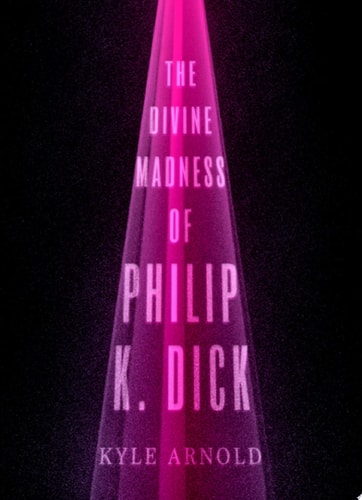
The Divine Madness Of Philip K. Dick
0
0
As an Amazon Associate and affiliate partner, Menrva Books earns from qualifying purchases. Learn more
Author Description
Widely Recognized As One Of The Most Imaginative Writers Of The 20th Century, Philip K. Dick Helped To Shape Science Fiction Into The Popular Genre It Is Today. His Stories, Renowned For Their Sophisticated Philosophical Themes And Startling Portrayals Of Simulated Realities, Inspired Numerous Television And Film Adaptations, Including The 1982 Cult Classic Blade Runner. Dick's Personal Life Took On An Otherwordly Quality When, In 1974, He Famously Had A Series Of Bizarre Visions. According To Dick, A Pink Light Beamed Psychic Information Into His Brain, Awakening Memories Of A Past Life As An Ancient Christian Revolutionary And Granting Him Contact With Time-traveling Extraterrestrials. He Witnessed Scenes From Ancient Rome Superimposed Over His California Neighborhood, And Warned Local Police He Was A Dangerous Machine Programmed To Self-destruct. After The Visions Faded, Philip K. Dick Spent The Rest Of His Life Trying To Fathom The Meaning Of What He Called His Divine Madness. Was It Schizophrenia? Or A Genuine Religious Experience? In The Divine Madness Of Philip K. Dick, Clinical Psychologist Kyle Arnold Probes The Fascinating Mystery Of Dick's Heart And Mind, And Shows Readers How Early Traumas Opened Dick To Profound Spiritual Experiences While Also Predisposing Him Toward Drug Dependency And Violence. Disputing The Myth That Dick Had Schizophrenia, Arnold Contends That Dick's Well-known Paranoia Was Caused By His Addiction To Speed. Despite Dick's Paranoia, His Divine Madness Was Not A Sign Of Mental Illness, But A Powerful Spiritual Experience Conveyed In The Images Of Science Fiction.
Menrva's Summary
THE THESIS
This book investigates whether the 1974 visionary experiences of Philip K. Dick were manifestations of mental illness or genuine spiritual phenomena. Clinical psychologist Kyle Arnold utilizes his professional background to analyze the intersection of Dick's early childhood trauma, his long-term substance dependency, and his creative output. The author argues against the clinical diagnosis of schizophrenia, proposing instead that the writer's paranoia was a direct consequence of amphetamine addiction while his visions represented a distinct spiritual event.
THE SCOPE MAP
What You Will Find
- A psychological profile of Philip K. Dick based on his personal history and writings.
- An analysis of the 1974 'pink light' visions and their impact on his later work.
- A clinical examination of the relationship between trauma, drug use, and creative genius.
Scope Limits
- The text does not provide a comprehensive literary critique of every novel in the author's bibliography.
- It does not offer a definitive medical diagnosis, as the subject is deceased and the analysis is retrospective.
THE AUTHORITY PERSPECTIVE
Experts and readers frequently note the clinical rigor Arnold applies to a subject often shrouded in myth and speculation. The text is recognized for providing a balanced perspective that respects both the psychological realities of the author and the profound nature of his visionary experiences.
Page Count:
208
Publication Date:
2016-01-01
Publisher:
Oxford University Press
ISBN-10:
0190498307
ISBN-13:
9780190498306
Non-Fiction
Biography
Science Fiction
Psychology
Literary Criticism