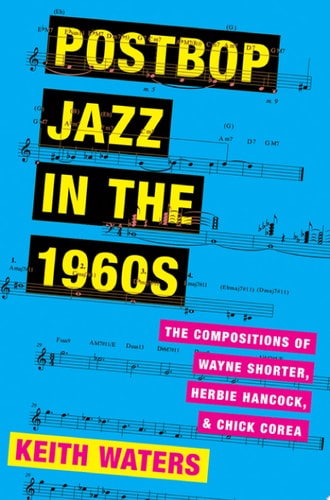
Postbop Jazz in the 1960s
0
0
As an Amazon Associate and affiliate partner, Menrva Books earns from qualifying purchases. Learn more
Author Description
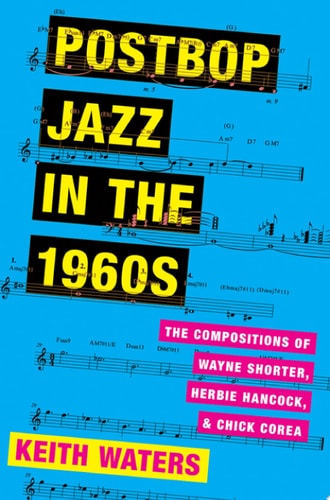
Innovations In Postbop Jazz Compositions Of The 1960s Occurred In Several Dimensions, Including Harmony, Form, And Melody. Postbop Jazz Composers Such As Wayne Shorter, Herbie Hancock, And Chick Corea Broke With Earlier Tonal Jazz Traditions. Their Compositions Marked A Departure From The Techniques Of Jazz Standards And Original Compositions That Defined Small-group Repertory Through The 1950s: Single-key Orientation, Schematic 32-bar Frameworks (in Aaba Or Abac Forms), And Tonal Harmonic Progressions. The Book Develops Analytical Pathways Through A Number Of Compositions, Including El Gaucho, Penelope, Pinocchio, Face Of The Deep (shorter); King Cobra, Dolphin Dance, Jessica (hancock); Windows, Inner Space, Song Of The Wind (corea); As Well As We Speak (little); Punjab (henderson); Beyond All Limits (shaw). These Case Studies Offer Ways To Understand Their Harmonic Syntax, Melodic And Formal Designs, And General Principles Of Harmonic Substitution. By Locating Points Of Contact Among These Postbop Techniques-and By Describing Their Evolution From Previous Tonal Jazz Practices-the Book Illustrates The Syntactic Changes That Emerged During The 1960s.
Menrva's Summary
THE THESIS
This book investigates the structural and harmonic innovations that defined postbop jazz compositions during the 1960s. Keith Waters, a music theorist and jazz scholar, utilizes a rigorous analytical framework to examine how composers moved away from the established conventions of the 1950s. By dissecting specific works by figures such as Wayne Shorter, Herbie Hancock, and Chick Corea, the author demonstrates how these artists reconfigured harmonic syntax, melodic design, and formal structures to create a new musical language.
THE SCOPE MAP
What You Will Find
- Detailed harmonic and formal analysis of compositions by Shorter, Hancock, Corea, Little, Henderson, and Shaw
- Methodologies for identifying harmonic substitution principles
- Comparative analysis between 1950s jazz standards and 1960s postbop developments
Scope Limits
- The text does not provide a comprehensive biography of the featured musicians
- The analysis is restricted to small-group repertory and does not cover large ensemble or big band arrangements
THE AUTHORITY PERSPECTIVE
Experts and musicologists recognize this work as a significant contribution to the formal study of jazz theory. Readers frequently note the technical density of the prose, which is best suited for those with a background in music theory or advanced jazz performance.
Page Count:
240
Publication Date:
2019-01-01
Publisher:
Oxford University Press
ISBN-10:
0190604581
ISBN-13:
9780190604585
Music
Music History
Music theory
Jazz
Musicology
Community Tags
Similar Books