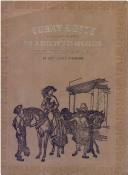
Soviet Culture and Power: A History in Documents, 1917-1953
0
0
As an Amazon Associate and affiliate partner, Menrva Books earns from qualifying purchases. Learn more
Author Description
Leaders of the Soviet Union, Stalin chief among them, well understood the power of art, and their response was to attempt to control and direct it in every way possible. This book examines Soviet cultural politics from the Revolution to Stalin’s death in 1953. Drawing on a wealth of newly released documents from the archives of the former Soviet Union, the book provides remarkable insight on relations between Gorky, Pasternak, Babel, Meyerhold, Shostakovich, Eisenstein, and many other intellectuals, and the Soviet leadership. Stalin’s role in directing these relations, and his literary judgments and personal biases, will astonish many. The documents presented in this volume reflect the progression of Party control in the arts. They include decisions of the Politburo, Stalin’s correspondence with individual intellectuals, his responses to particular plays, novels, and movie scripts, petitions to leaders from intellectuals, and secret police reports on intellectuals under surveillance. Introductions, explanatory materials, and a biographical index accompany the documents.
Menrva's Summary
THE THESIS
The Soviet leadership, particularly Stalin, recognized the immense power of art and sought to exert total control over its creation and dissemination. This book meticulously examines the complex landscape of Soviet cultural politics from the 1917 Revolution through Stalin's death in 1953. It leverages a vast array of newly accessible documents from former Soviet archives to illuminate the intricate relationships between prominent intellectuals like Gorky, Pasternak, Babel, Meyerhold, Shostakovich, and Eisenstein, and the ruling party. The collection reveals Stalin's direct involvement in shaping cultural output, his personal biases, and the progression of Party control over artistic expression.
THE SCOPE MAP
- Decisions of the Politburo concerning artistic policy.
- Stalin's direct correspondence with individual intellectuals.
- Stalin's personal responses to specific plays, novels, and movie scripts.
- Petitions submitted by intellectuals to the Soviet leadership.
- Secret police reports detailing surveillance of intellectuals.
- Introductions and explanatory materials to contextualize the documents.
- A biographical index of key figures mentioned.
THE AUTHORITY PERSPECTIVE
This collection offers a unique window into the mechanisms of state control over culture in the Soviet Union. The inclusion of direct correspondence and internal documents provides a granular view of the relationship between artists and the regime, highlighting the personal interventions of Stalin. The material suggests a deep dive into the bureaucratic and personal pressures faced by intellectuals. The book serves as a primary source compilation for understanding the historical trajectory of Soviet cultural policy.
Page Count:
545
Publication Date:
2007-01-01
Publisher:
Yale University Press
ISBN-10:
0300106467
ISBN-13:
9780300106466
History
Non-Fiction
Politics
Culture
Community Tags
Similar Books