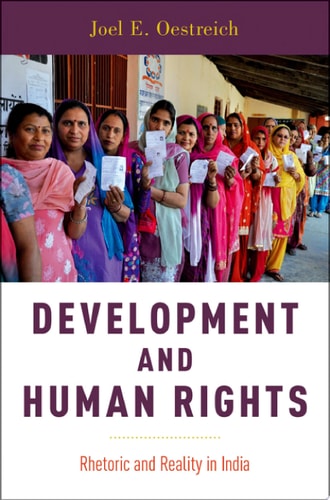
Development and Human Rights
0
0
As an Amazon Associate and affiliate partner, Menrva Books earns from qualifying purchases. Learn more
Author Description
In 2003, The United Nations Adopted A Common Rights-based Approach To Development In Their Efforts To Promote An International Standard Of Human Rights Throughout The World. The Approach Emphasizes Economic, Social, And Cultural Rights, But Plays Down The Role Of Civil And Political Rights In Development. Intergovernmental And Non-governmental Agencies Operate Only At The Invitation And Sufferance Of Their Hosts, And States Retain Full Sovereignty And Control Over Their Territory; And The Direct Promotion Of Civil And Political Rights By Foreign Organizations Has Seemed Beyond The Ability Of Multilateral Development Agencies. But As Development And Human Rights Shows, Un Agencies Have Begun To Take On A Remarkable Set Of Development Priorities That, While Carefully Circumscribed And Defined, Constitute Greater Involvement In A State's Internal Affairs Than Anyone Would Have Considered In The Past. In This Book, Joel E. Oestreich Presents The First Full-length Study Of How International Agencies Evaluate The Rights Situation In A Single Country, And The First Study To Look At Both The Good And The Bad In A Rights-based Approach. It Looks Particularly At The Human Rights Challenges Faced In India, Considering The Work Of Five Un Agencies: Unicef, The Un Development Programme, The World Bank, The Un Fund For Population Activities, And Un Women. Over The Course Of The Book, Oestreich Summarizes How The Un Navigates This Difficult Political Terrain, And How Effectively These Policies Are Being Implemented. Development And Human Rights Ultimately Considers How Rights-based Approaches Fit In The Traditional Discourse On Human Rights, And The Ability Of These Agencies To Initiate Meaningful Change On State Behavior In The Rights Arena.
Menrva's Summary
THE THESIS
This book investigates the efficacy and political implications of the United Nations' rights-based approach to development, specifically examining how international agencies influence state behavior regarding human rights. Joel E. Oestreich, a scholar of international relations, utilizes a framework of institutional analysis to evaluate how multilateral organizations navigate the tension between state sovereignty and the promotion of international human rights standards. By analyzing the operational constraints of UN agencies, the author assesses whether these organizations can successfully implement rights-based policies without overstepping their diplomatic mandates.
THE SCOPE MAP
What You Will Find
- An analysis of the UN's 2003 common rights-based approach to development.
- A comparative study of five specific UN agencies: UNICEF, UNDP, World Bank, UNFPA, and UN Women.
- A detailed case study of human rights implementation challenges within India.
- An evaluation of the shift toward greater involvement in internal state affairs by international bodies.
Scope Limits
- The study focuses primarily on the selected five UN agencies and does not provide an exhaustive analysis of every international development organization.
- The research is limited to the political and rights-based landscape of India as the primary case study.
THE AUTHORITY PERSPECTIVE
Experts identify this work as a significant contribution to the study of international organizations and their role in global governance. Readers frequently note the academic rigor of the text, which provides a balanced view of the successes and limitations inherent in rights-based development strategies.
Page Count:
240
Publication Date:
2017-01-01
Publisher:
Oxford University Press
ISBN-10:
0190637358
ISBN-13:
9780190637354
Human rights
United Nations
International relations
Public Policy
Community Tags
Similar Books