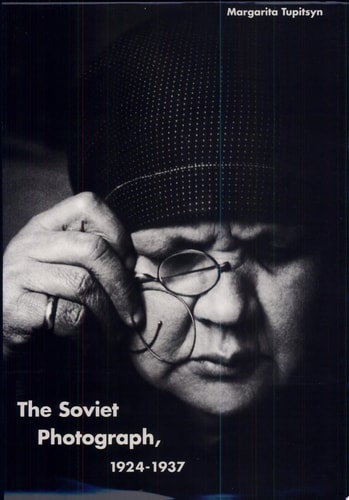
The Soviet Photograph, 1924-1937
0
0
As an Amazon Associate and affiliate partner, Menrva Books earns from qualifying purchases. Learn more
Author Description
This handsome book analyzes the function of the photographic image in the Soviet Union between 1924 and 1937. Margarita Tupitsyn discusses the works of such major and little- known photographers as Aleksandr Rodchenko, El Lissitzky, Gustav Klutsis, Valentina Kulagina, Sergei Senkin, and others, showing how their approaches to photography were influenced by the changing social and political realities of Soviet Russia during this period.
Menrva's Summary
THE THESIS
This book examines the critical role of photography in shaping Soviet identity and propaganda during a pivotal era. Margarita Tupitsyn delves into the period between 1924 and 1937, a time of immense social and political transformation in the Soviet Union. The analysis focuses on how photographers, including prominent figures like Aleksandr Rodchenko and El Lissitzky, as well as lesser-known artists, adapted their craft to reflect and influence the evolving realities of Soviet Russia. The book explores the intersection of artistic practice, state ideology, and the dissemination of images within this specific historical context.
THE SCOPE MAP
- Analysis of the function of photographic images in the Soviet Union from 1924 to 1937.
- Discussion of works by major photographers such as Aleksandr Rodchenko and El Lissitzky.
- Inclusion of lesser-known photographers like Gustav Klutsis, Valentina Kulagina, and Sergei Senkin.
- Exploration of how photographic approaches were influenced by changing social and political realities.
- Examination of the role of photography in Soviet identity and propaganda.
- Focus on the period of significant transformation in Soviet Russia.
THE AUTHORITY PERSPECTIVE
The book is recognized for its scholarly approach to a specific period of Soviet photographic history. It is noted for its detailed analysis of how visual culture, particularly photography, was employed as a tool of state ideology and identity formation. The inclusion of both well-known and obscure artists provides a comprehensive view of the photographic landscape of the era. The work is considered a valuable resource for understanding the complex relationship between art, politics, and society in the Soviet Union during the interwar years.
Page Count:
198
Publication Date:
1996-01-01
Publisher:
Yale University Press
ISBN-10:
0300064500
ISBN-13:
9780300064506
Non-Fiction
Photography
Art
History
Soviet Union
Art History
Community Tags
Similar Books