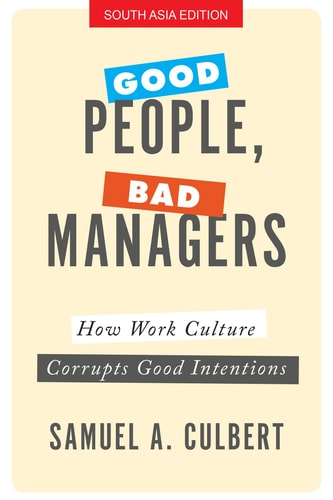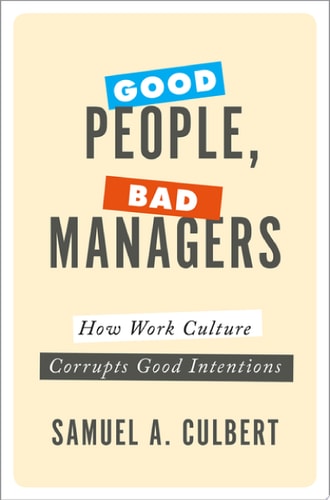
Good People, Bad Managers
0
0
As an Amazon Associate and affiliate partner, Menrva Books earns from qualifying purchases. Learn more
Author Description
There's Far More Bad Management Behavior Taking Place Today Than The Well-intentioned Doling It Out Realize... And Even More Than Those On The Receiving End Are Aware Of! There's Little Mystery About What Good Management Entails; The Biggest Mystery Is Why People Are Calling This Bad Behavior Good Enough. Today's Managers Work In A Success And Self-preservation Mindset, Which Doesn't Always Translate To A Productive And Mission-oriented Environment. Too Many Erroneous Assumptions Are Involved When Following The Mainstream Tenets Of Work Culture, Which Sap Morale, Well-being, And Performance At Both The Individual And Organizational Levels. In Good People, Bad Managers: How Work Culture Corrupts Good Intentions, Author Samuel A. Culbert Makes Readers Aware Of What Bad Habits Are Routinely Followed By Well-intended Managers. Managers Need To Understand The Causes For Their Constant Distraction, Become More Aware Of The Negatives They Inadvertently Inflict, And The Hollowness Of The Rationales They Use To Justify What They Do. Company Leaders, Ceos, And Top Tier Managers Need To Become More Aware Of The Ever-present Concerns Of Their Own Workforce, Implementing The Management Mentality They Want In Their Company And Then Teaching Their Managerial Employees How To Absorb It. Culbert Offers Practical Advice For Effecting This Necessary Cultural Change In The Workplace. Peppered With Illuminating And Helpful Case Studies Throughout, This Is The Perfect Guide For Showing Managers Exactly How To Conduct Themselves More Intelligently, And, As Opportunities Arise, In A Manner That Contributes To The Common Good.
Menrva's Summary
THE THESIS
This book investigates why well-intentioned individuals often engage in counterproductive management behaviors that undermine organizational success and employee well-being. Samuel A. Culbert, a professor at UCLA's Anderson School of Management, utilizes his extensive experience in organizational psychology to argue that mainstream corporate culture incentivizes self-preservation over mission-oriented performance. He posits that managers frequently operate under erroneous assumptions, leading to a disconnect between their stated intentions and the negative impact they have on their subordinates.
THE SCOPE MAP
What You Will Find
- Analysis of the psychological drivers behind common managerial failures
- Frameworks for identifying and correcting toxic workplace habits
- Strategies for leadership to align management behavior with organizational goals
- Case studies illustrating the impact of management styles on morale and productivity
Scope Limits
- The text does not provide a comprehensive guide to technical management tasks like financial reporting or logistics
- It does not address industry-specific regulatory compliance or legal human resources procedures
THE AUTHORITY PERSPECTIVE
Experts and readers frequently note the pragmatic focus of the text, highlighting its utility for managers seeking to improve their interpersonal effectiveness. The prose is accessible to professionals at all levels, providing a clear critique of systemic issues within modern corporate structures.
Page Count:
216
Publication Date:
2017-01-01
Publisher:
Oxford University Press
ISBN-10:
0190652403
ISBN-13:
9780190652401
Business
Workplace Culture
Professional Development
Management
Leadership