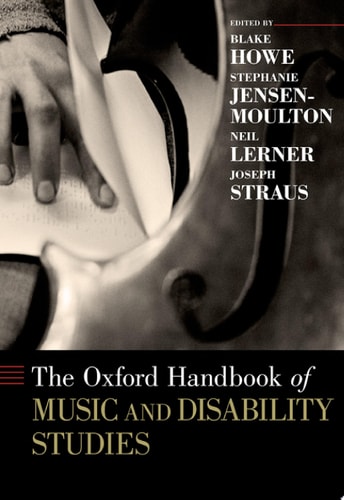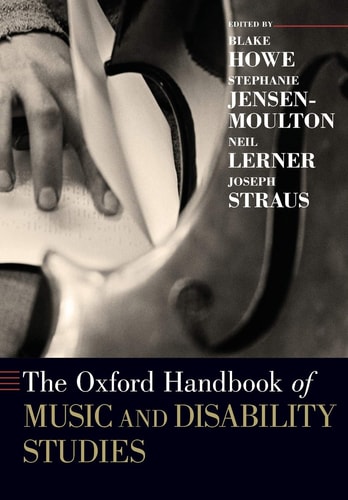
The Oxford Handbook of Music and Disability Studies
0
0
As an Amazon Associate and affiliate partner, Menrva Books earns from qualifying purchases. Learn more
Author Description
The Oxford Handbook of Music and Disability Studies represents a comprehensive state of current research for the field of Disability Studies and Music. The forty-two chapters in the book span a wide chronological and geographical range, from the biblical, the medieval, and the Elizabethan, through the canonical classics of the eighteenth and nineteenth centuries, up to modernist styles and contemporary musical theater and popular genres, with stops along the way in post-Civil War America, Ghana and the South Pacific, and many other interesting times and places. Disability is a broad, heterogeneous, and porous identity, and that diversity is reflected in the variety of bodily conditions under discussion here, including autism and intellectual disability, deafness, blindness, mobility impairment often coupled with bodily difference, and cognitive and intellectual impairments. Amid this diversity of time, place, style, medium, and topic, the chapters share two core commitments. First, they are united in their theoretical and methodological connection to Disability Studies, especially its central idea that disability is a social and cultural construction. Disability both shapes and is shaped by culture, including musical culture. Second, these essays individually and collectively make the case that disability is not something at the periphery of culture and music, but something central to our art and to our humanity.
Menrva's Summary
THE THESIS
This volume investigates the intersection of disability studies and musicology, questioning how disability functions as a central, rather than peripheral, element in the creation and interpretation of musical culture. The editors, a team of established scholars in music theory and disability studies, curate forty-two essays that apply the social model of disability to musical history, performance, and theory. By examining disability as a cultural construct, the text argues that bodily and cognitive difference fundamentally shapes the development of musical art forms across diverse historical and geographical contexts.
THE SCOPE MAP
What You Will Find
- Analysis of musical history spanning from biblical and medieval periods to contemporary popular genres and musical theater.
- Methodological frameworks for applying disability studies to musicological research.
- Case studies covering diverse conditions including deafness, blindness, autism, and mobility impairments.
- Global perspectives including examinations of musical cultures in Ghana, the South Pacific, and post-Civil War America.
Scope Limits
- The text does not provide a clinical or medical manual for treating disabilities.
- It does not offer a comprehensive history of all global musical traditions, focusing instead on specific intersections where disability and music converge.
THE AUTHORITY PERSPECTIVE
Scholars and musicologists recognize this work as a foundational reference that bridges two distinct academic disciplines. Readers frequently note the academic density of the prose, which serves as a primary resource for researchers seeking to integrate disability theory into musicological inquiry.
Page Count:
952
Publication Date:
2016-11-01
Publisher:
Oxford University Press
ISBN-10:
0190650605
ISBN-13:
9780190650605
Musicians
Sociology of Music
The Arts
Musicology