Author Description
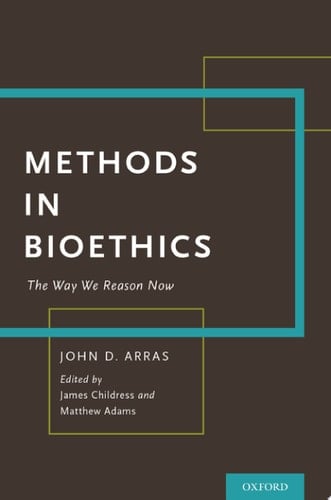
This Book Provides An Overview And Critical Discussion Of The Main Philosophical Methods That Have Dominated The Field Of Bioethics Since Its Origins In The Late 1960s And Early 1970s. The First Three Chapters Outline Some Influential Theories That Are Important To Understanding The Methodological Approaches That Follow. Chapter 1 Offers A Survey Of The Theory Of Principlism As Expounded By Tom Beauchamp And James Childress, Chapter 2 Examines Bernard Gert's Defense Of Common Morality, And Chapter 3 Discusses The So-called New Casuistry. The Next Three Chapters Trace A Historical Dialectic. Chapter 4 Explores The Shift That Has Increasingly Occurred In Bioethics Away From The Pursuit Of Objectivity Or Truth And Towards Narrative Ethics, While Chapter 5 Uncovers The Classical Roots Of American Pragmatism And Explains Their On-going Relevance For Contemporary Bioethics. This Paves The Way For Chapter 6's Examination Of Freestanding Pragmatists Such As Susan Wolf Who, In Contrast, See Their Approach As Untethered To The Classical Canon Of American Pragmatism. With This Background Firmly Established, The Next Two Chapters Handle Some Influential Contemporary Approaches. Chapter 7 Considers The Internal Morality Approach To Medicine; Chapter 8 Discusses The Method Of Reflective Equilibrium. Chapter 9 Summarizes And Reflects On The Results Of The Preceding Eight Chapters. Rather Than Staking Out And Defending A Final Position, The Book Aspires To Uncover The Advantages And Disadvantages Of The Different Methodological Approaches. In The Words Of Kierkegaard, It Aims To Make Life Harder Rather Than Easier For Bioethics By Uncovering Some Outstanding Challenges.
Page Count:
288
Publication Date:
2017-01-01
ISBN-10:
0190665998
ISBN-13:
9780190665999