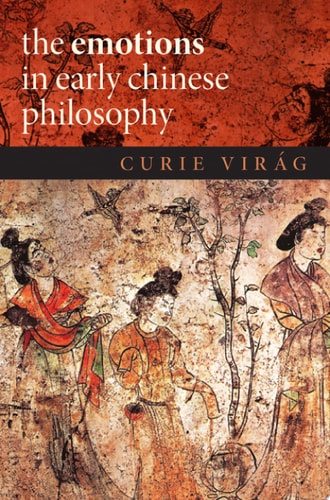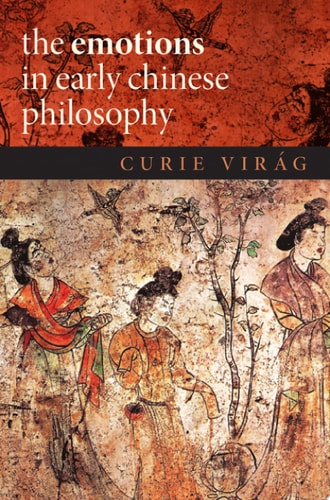
The Emotions in Early Chinese Philosophy
0
0
As an Amazon Associate and affiliate partner, Menrva Books earns from qualifying purchases. Learn more
Author Description
In China, the debate over the moral status of emotions began around the fourth century BCE, when early philosophers first began to invoke psychological categories such as the mind (xin), human nature (xing), and emotions (qing) to explain the sources of ethical authority and the foundations of knowledge about the world. Although some thinkers during this period proposed that human emotions and desires were temporary physiological disturbances in the mind caused by the impact of things in the world, this was not the account that would eventually gain currency. The consensus among those thinkers who would come to be recognized as the foundational figures of the Confucian and Daoist philosophical traditions was that the emotions represented the underlying, dispositional constitution of a person, and that they embodied the patterned workings of the cosmos itself. Curie Virág sets out to explain why the emotions were such a central preoccupation among early thinkers, situating the entire debate within developments in conceptions of the self, the cosmos, and the political order. She shows that the mainstream account of emotions as patterned reality emerged as part of a major conceptual shift towards the recognition of natural reality as intelligible, orderly, and coherent. The mainstream account of emotions helped to summon the very idea of the human being as a universal category and to establish the cognitive and practical agency of human beings. This book, the first intensive study of the subject, traces the genealogy of these early Chinese philosophical conceptions and examines their crucial role in the formation of ethical, political and cultural values in China.
Menrva's Summary
THE THESIS
This book investigates the historical emergence and philosophical significance of emotions within early Chinese thought, specifically examining how concepts like xin (mind), xing (human nature), and qing (emotions) became central to ethical and cosmological frameworks. Curie Virág, a scholar of early Chinese intellectual history, utilizes primary philosophical texts from the fourth century BCE onward to argue that the conceptualization of emotions as 'patterned reality' was a critical development in Chinese intellectual history. She posits that this shift allowed early thinkers to define the human being as a universal category and establish the foundations for ethical and political agency.
THE SCOPE MAP
What You Will Find
- Analysis of psychological categories including xin, xing, and qing.
- Examination of the transition from viewing emotions as physiological disturbances to viewing them as manifestations of cosmic order.
- Comparative study of foundational Confucian and Daoist perspectives on human nature.
- Historical context regarding the development of political and cultural values in early China.
Scope Limits
- The study focuses primarily on the formative period of early Chinese philosophy and does not track these concepts through later imperial developments.
- The analysis is restricted to the intellectual history of the specified period rather than a cross-cultural comparison with Western psychological theories.
THE AUTHORITY PERSPECTIVE
Scholars recognize this work as a foundational study that fills a significant gap in the understanding of early Chinese psychological concepts. Readers frequently note the academic rigor and the clarity with which the author navigates complex philosophical terminology.
Page Count:
233
Publication Date:
2017-01-01
Publisher:
Oxford University Press
ISBN-10:
0190663111
ISBN-13:
9780190663117
Psychology
Philosophy
History of Ideas
Eastern
Chinese Philosophy
Asian Studies
Ethics